



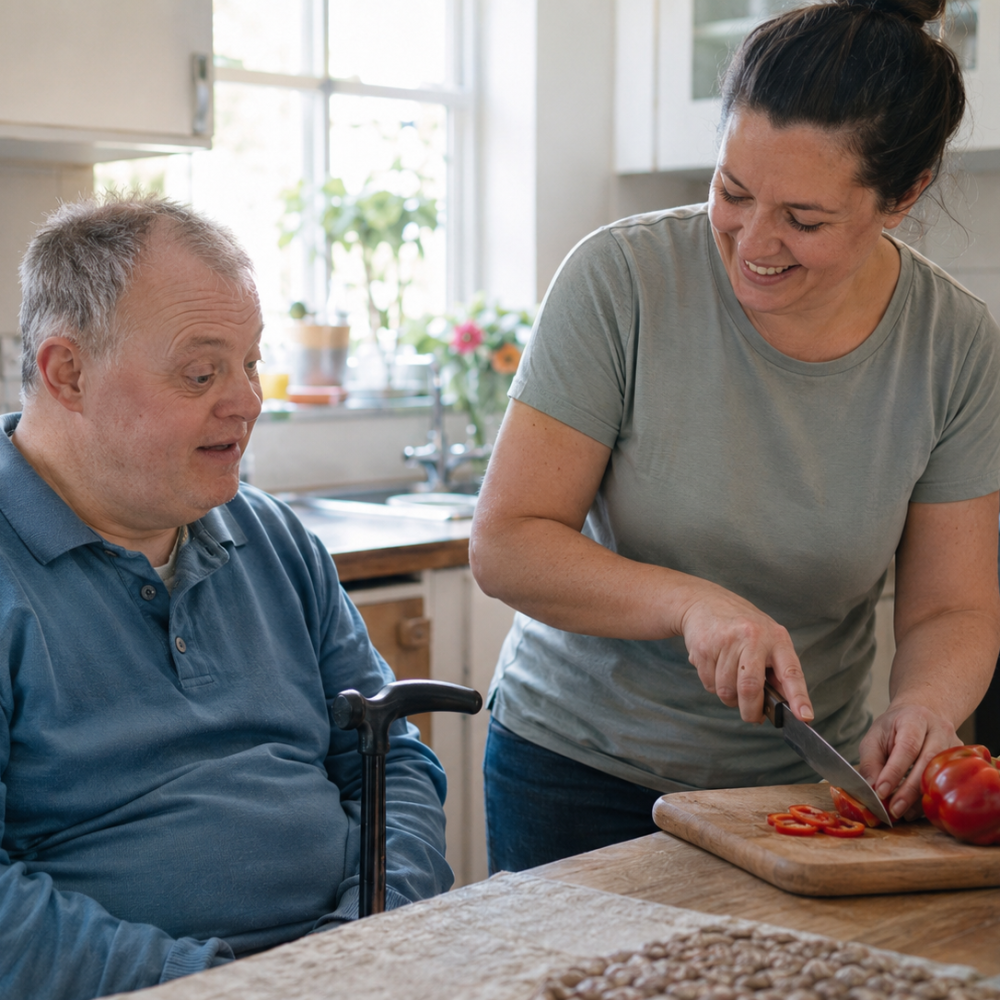
posted 3rd June 2026
Why an Afternoon Visit Can Make Everyday Life Feel More Manageable
Most people do not suddenly decide they need support.
It usually starts with the everyday things becoming harder to keep on top of.
- The shopping has not been done.
- The washing is piling up.
- The kitchen needs a reset.
- Meals are becoming rushed or repetitive.
- Prescriptions, appointments and little errands are taking over the week.
- Someone is spending more time on their own than you would like.
And family members are trying their best, but everyone is stretched.
Nothing may feel like a crisis yet.
But life starts to feel heavier than it should.
Whether someone is recovering from an illness, living with a disability, managing a long-term condition, feeling isolated, getting older, or simply needing extra practical support at home, a regular afternoon visit can make a real difference.
Sometimes, it is not about needing full care.
Sometimes, it is about having the right person pop in at the right time of day to keep things feeling calm, manageable and less overwhelming.
Why afternoons work so well for practical support
When people think about support at home, they often think of mornings or evenings.
Mornings are usually linked with getting ready for the day.
Evenings are often about meals, medication, routines and settling down.
But afternoons can be one of the most useful times for practical help.
It is often the part of the day when energy dips, jobs get pushed aside, and the house can start to feel like it is getting on top of someone.
An afternoon visit can be a good time for:
- Shopping and errands
- Light cleaning and household tasks
- Preparing a meal for later
- Sorting washing or changing bedding
- Having a proper chat and a cup of tea
- Checking the fridge, cupboards and general home environment
- Making sure everything feels settled before the evening begins
For families who are working, raising children, supporting relatives, or trying to keep more than one household running, an afternoon visit can remove a lot of pressure.
It means someone kind, reliable and familiar can step in during the day, helping with the things that often get left until later.

Support does not always have to feel like “care”
One of the biggest reasons people put off getting help is because they do not feel ready for “care”.
And that is completely understandable.
The word can feel big.
It can make people worry they are losing independence, giving up control, or admitting that things have become too much.
But support at home does not always have to feel clinical or formal.
Sometimes it is much simpler than that.
- It might be someone popping in to pick up the shopping.
- Someone helping to freshen up the kitchen.
- Someone making sure there is something easy to eat later.
- Someone putting a wash on.
- Someone sitting down for a proper conversation.
- Someone noticing the little things before they become bigger worries.
It is not about taking over.
It is about making everyday life easier.
For many people, this kind of support feels much more acceptable. It helps them stay independent, while still getting help with the parts of daily life that have started to feel harder.
Who can benefit from an afternoon visit?
Afternoon visiting support can work well for many different people and situations.
It may be helpful for:
- Families who are stretched and can't always visit during the day
- People recovering after illness, surgery or a hospital stay
- People living with a disability or long-term condition
- Adults who feel isolated or lonely during the day
- Older parents who want to stay independent at home
- Unpaid carers who need some breathing space
- People who find shopping, cooking or cleaning difficult
- Anyone who would benefit from regular companionship and routine
Sometimes, the person receiving support does not need personal care at all.
They may simply need help staying on top of the house, eating properly, getting out to the shops, or having regular human connection during the week.
For families, knowing someone is popping in can bring real peace of mind.

Everyday tasks are rarely just everyday tasks
It is easy to describe things like shopping, cleaning and meal preparation as “little jobs”.
But they often have a much bigger impact than people realise.
- If the shopping is not done, meals become harder.
- If the washing piles up, the home can start to feel overwhelming.
- If the kitchen is not kept on top of, cooking feels like more effort.
- If someone is not getting company, the days can feel long and lonely.
- If small errands are left, they can quickly build into stress.
These tasks are not just about keeping a home tidy.
They are the things that help someone feel settled, independent and in control.
A clear kitchen, fresh food in the fridge, clean clothes, a simple meal prepared, and a familiar face to talk to can completely change how the rest of the day feels.
What can an afternoon visit include?
At Your Care, afternoon visits can be shaped around what each person or family actually needs.
For one person, it may be mostly practical help around the home.
For another, it may be companionship and reassurance.
For someone else, it may be shopping, meal preparation and checking everything is okay before the evening.
Afternoon visits can include:
- Shopping and essential errands
- Light cleaning and household tasks
- Fresh meal preparation
- Medication prompts
- Hydration checks
- Companionship and conversation
- Help with washing, tidying or changing bedding
- Emptying bins
- Checking the fridge and cupboards
- Reassurance visits for families
- Keeping routines on track
The support does not have to fit into a rigid box.
It can be built around what would genuinely make life easier.

Companionship can matter just as much as practical help
For many people, the practical tasks are only part of the picture.
The other part is having someone to talk to.
A quiet afternoon can feel very long when someone is on their own.
They may not say they are lonely.
They may tell family they are fine.
But a familiar face visiting regularly can bring routine, reassurance and connection into the week.
A cup of tea and a proper conversation may sound simple, but for someone who has spent most of the day alone, it can mean a lot.
- It can lift their mood.
- It can give them something to look forward to.
- It can help them feel seen, rather than just checked on.
And for families, it can be comforting to know their loved one has had a proper chat, not just a quick phone call or text.
Why it is better not to wait until everything feels too much
Many families wait until things feel urgent before accepting support.
They might think:
“We should be able to manage.”
“It is only a bit of shopping.”
“They do not need care.”
“We will sort something next week.”
“It is not bad enough yet.”
But support does not have to be a last resort.
It can be a practical, sensible step that stops things from building up.
Starting with an afternoon visit can be a way to introduce help without it feeling overwhelming.
It gives the person receiving support time to build trust.
It gives families breathing space.
And it helps keep life at home feeling manageable before things reach breaking point.
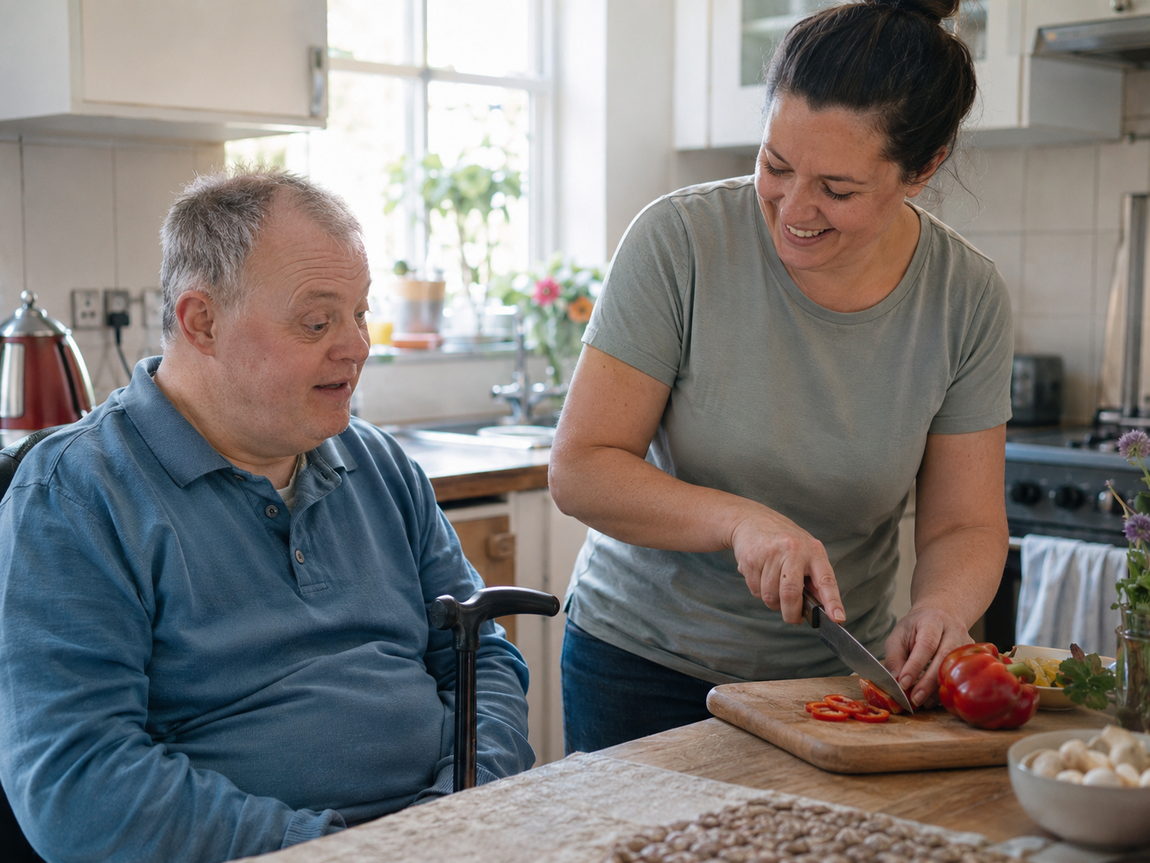
Afternoon visiting slots are currently available
At Your Care, we currently have afternoon visiting slots available across Bristol, South Gloucestershire and the surrounding areas.
These visits are ideal for anyone who could benefit from practical help, companionship or a bit of extra support at home during the day.
Whether it is shopping, light cleaning, meal preparation, medication prompts, reassurance visits, or simply having someone kind and familiar pop in for a cup of tea and a chat, we can help shape the support around what is needed.
You do not have to wait until life feels unmanageable.
Sometimes, one regular afternoon visit is enough to make the week feel more peaceful.
To talk through afternoon availability, call 0117 947 7422 or send us a message and we can help you explore what support could look like.