


posted 27th May 2026
Helping a Loved One With Dementia Keep Financially Independent and Safe
When someone is living with dementia or experiencing memory problems, finances can quickly become a sensitive topic.
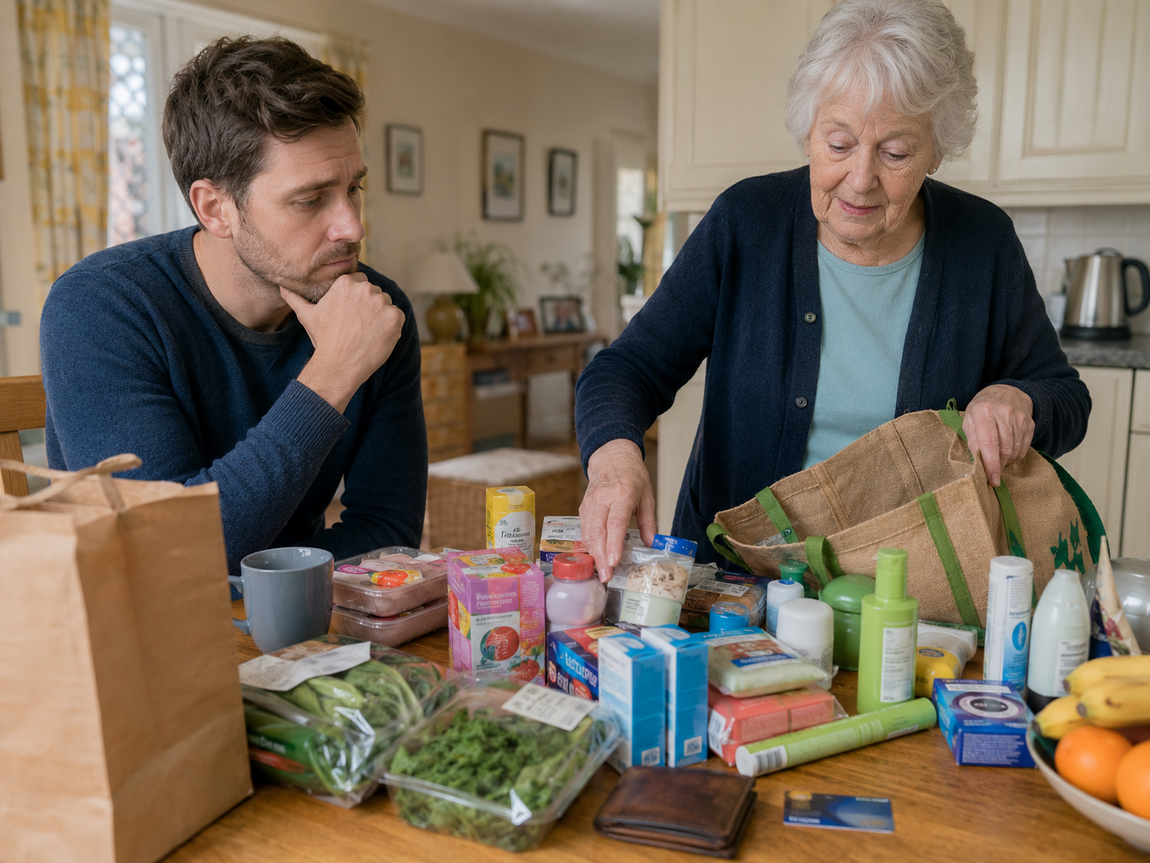
Families often face a difficult dilemma. They want to protect their loved one from scams, confusion, lost cash, or overspending. At the same time, they do not want to strip away their independence entirely.
That balance can feel incredibly hard to strike.
Money is not just practical; it is deeply personal. Being able to buy a morning newspaper, pay for a coffee, pick up a birthday card, or walk down to the local shop helps a person feel independent, capable, and in control of their own life.
The good news is that financial tools are evolving. There are now specific options designed to keep people involved with everyday spending, while giving families vital reassurance and peace of mind.
There are a number of practical options families may want to explore. Below, we’ll look at three options that can help protect your loved one while still supporting their independence.
Three Financial Tools for Safer Spending
1. Sibstar
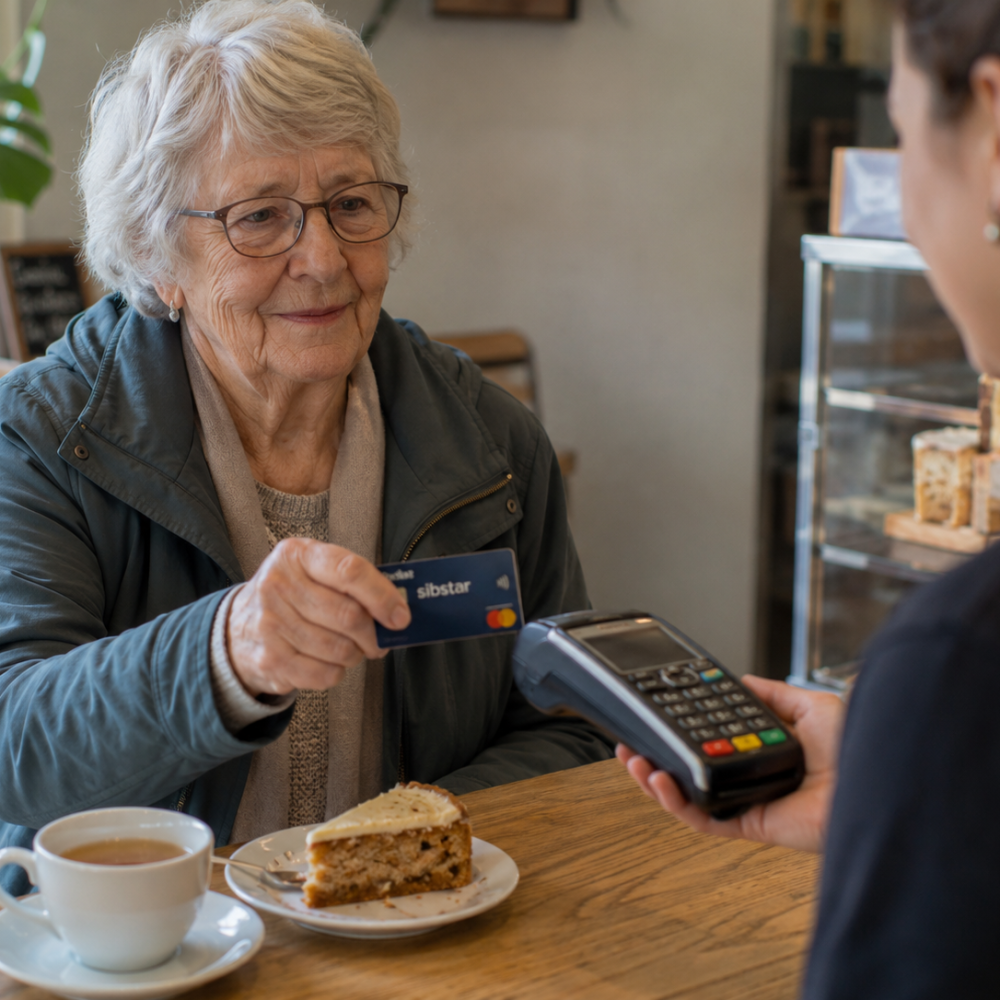
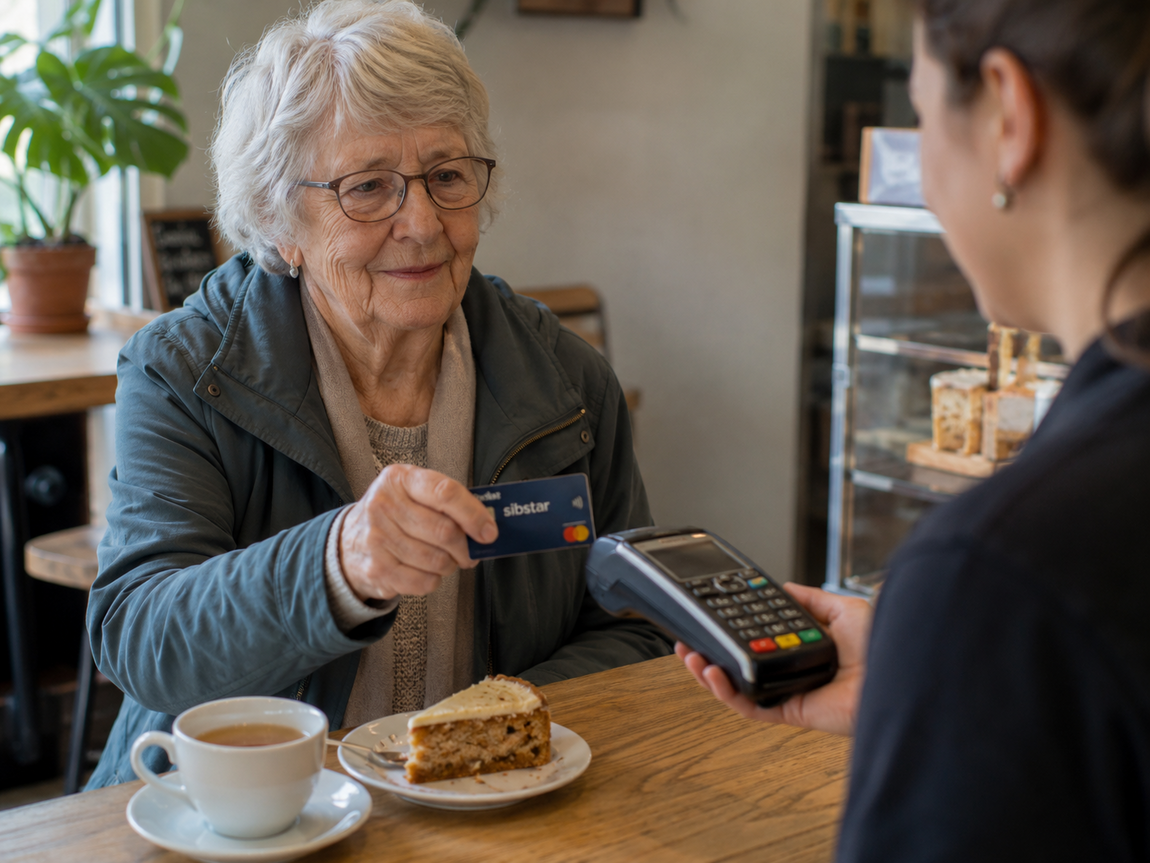
Sibstar is a unique debit card and app specifically designed to help people living with dementia manage everyday spending safely. Developed in partnership with the Alzheimer’s Society, it is built with the vulnerable spender in mind.
With Sibstar, money is loaded onto the card, and a trusted family member can monitor and manage it through an app. This is an ideal option if your loved one wants to continue handling the card themselves, but you worry about:
- Overspending or making repeated ATM withdrawals.
- Falling victim to high-street scams.
- Losing physical cash or experiencing confusion at the till.
Through the app, you can instantly turn cash machine withdrawals on or off, set daily spending limits, or freeze the card if it goes missing. It can help support independence without suddenly taking away control.
2. Halifax / Lloyds / Bank of Scotland: My Trusted Person Card
If your loved one does their banking on the high street, Lloyds Banking Group offers the My Trusted Person Card.
Unlike Sibstar, this card is designed to be held by a trusted family member, friend, or carer so they can shop for essentials or withdraw cash on the person’s behalf. It is linked to the main current account but has its own unique card number and PIN.
To keep the main account secure, the person using this card:
- Cannot shop online, abroad, or over the phone.
- Cannot see the account balance, sort code, or account number.
- Is restricted to customisable safety limits (typically capped up to £100 a week for spending and £100 a week for cash withdrawals).
This is highly useful if someone needs help running errands but does not want to hand over their primary debit card or grant full access to their savings.
3. Starling Connected Card
A digital alternative is the Starling Connected Card. This is a secondary physical debit card that you can give to a trusted helper to buy what is needed on your behalf.
Instead of spending directly from the main bank account, the money comes from a separate pot within the Starling app, which can be limited to £200.
The cardholder cannot access the main account, view the balance, use the banking app, or shop online. It is a highly secure way to hand a card to a carer for the weekly grocery shop without exposing the rest of the account.
Why These Options Matter
For someone living with dementia, financial support should not be an "all or nothing" decision. Removing control too quickly can cause distress and a loss of identity.
The right tool can safely extend a person's independence for longer. It also helps families avoid risky workarounds, such as:
- Sharing a main bank card or giving out a secret PIN.
- Keeping large amounts of cash hidden around the home.
- Relying on confusing handwritten IOUs.
- Giving a helper unrestricted access to an entire life savings account.
Crucially, these cards change the narrative. Instead of having a frightening conversation that begins with, "You cannot manage your money anymore," you can approach it by saying, "Let’s use this to make everyday spending a bit easier and safer." That small change in wording preserves dignity.
Remember: These Cards Are Not a Power of Attorney
While these tools are fantastic for day-to-day spending, they do not replace legal protection. If a loved one is living with a progressive condition, it is vital to set up a Property and Financial Affairs Lasting Power of Attorney (LPA) while they still have the mental capacity to do so. The cards protect today's independence; an LPA protects their long-term future.
Power of Attorney can be really helpful when supporting someone vulnerable. You can read more about what it is and how to set one up on the official GOV.UK website here.

How Your Care Can Help
At Your Care, we support families across Bristol and South Gloucestershire who are trying to navigate these exact emotional and practical transitions.
As people grow older or live with memory loss, changes often show up first in everyday routines-such as uncharacteristic money worries, confusion over bills, or a sudden loss of confidence at the local shops.
While our role is not to provide financial advice, our experienced home care teams are experts at spotting when extra support is needed to keep someone living safely and happily in their own home.
If you are worried about a loved one’s independence, safety, or confidence in the Bristol or South Gloucestershire area, we are always here to talk it through.
Call us today on 0117 947 7422 for a chat with one of our team of experts.
Or click here to request a call back.