


posted 7th July 2026
Everyone’s Talking About Dementia. But What If You’re Living It At Home?
Everyone seems to be talking about dementia at the moment.
It’s on the news.
It’s on Facebook.
It’s in those TikToks where someone says, “these were the early signs we missed.”
It’s in charity campaigns, newspaper headlines and conversations about blood tests, diagnosis and future treatments.
And while all of that matters, it can feel very different when it’s your own family.
Because you’re not sat there thinking about research papers.
You’re thinking:
“Hang on… Mum does that.”
“Dad’s been getting confused with money lately.”
“She keeps saying she’s fine, but something feels different.”
“Is this just getting older, or should I be worried?”
That’s the bit the headlines don’t always cover.
The quiet worry.
The noticing.
The wondering if you’re overreacting.
The feeling that you’re slowly becoming responsible for more and more, but nobody has officially said what’s happening yet.
Dementia Doesn’t Always Start With A Diagnosis
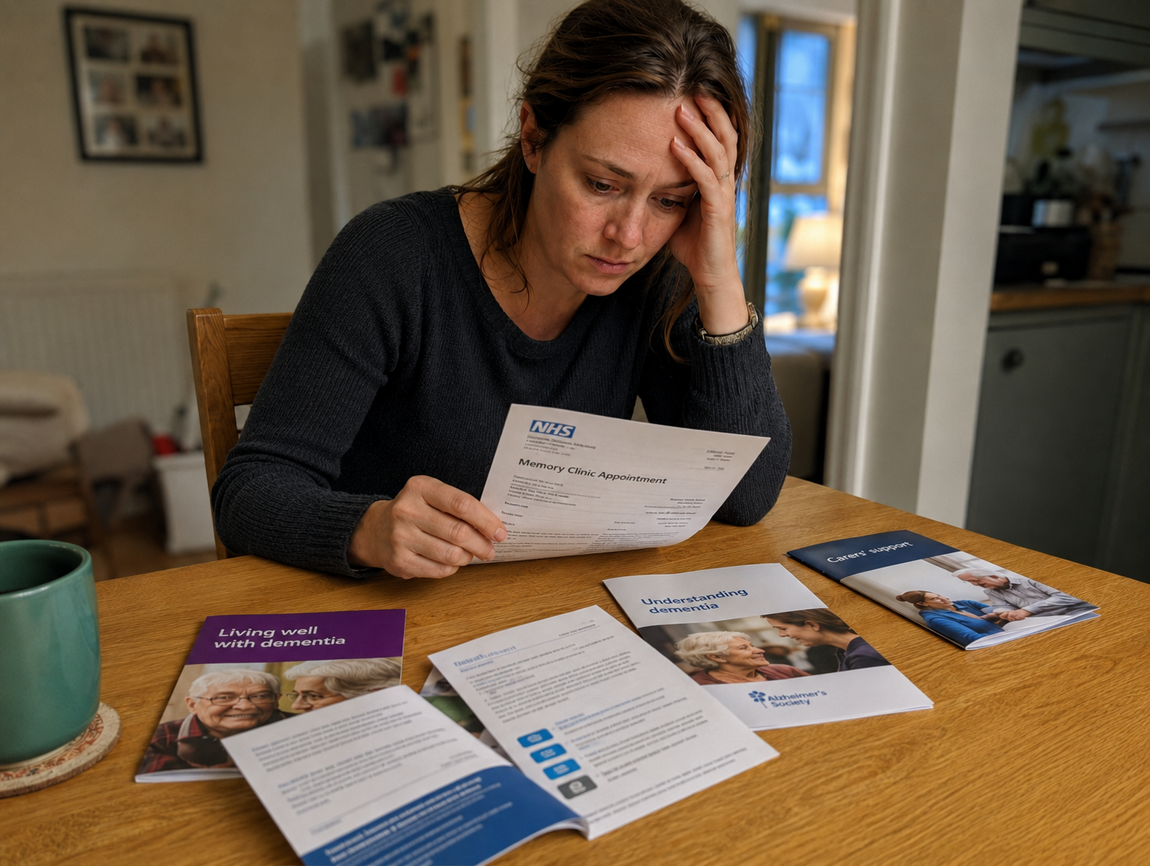
For many families, dementia doesn’t begin with a hospital letter or a memory clinic appointment.
It begins with little things.
- The same question being asked again.
- A missed appointment.
- The shopping not being put away.
- A meal left untouched.
- A once-confident person not wanting to go out anymore.
- A loved one getting anxious, snappy or withdrawn in a way that feels out of character.
The NHS lists memory loss, difficulty concentrating, struggling with familiar daily tasks, confusion around time or place, mood changes and difficulty following conversations as possible early symptoms of dementia. But in real life, those signs don’t always arrive neatly. They can creep into normal family life and be easy to explain away.
You tell yourself:
- “She’s just tired.”
- “He’s always been forgetful.”
- “They’re getting older.”
- “Maybe I’m making a fuss.”
And sometimes there may be another reason.
Stress, infection, medication, depression, poor sleep, vitamin deficiency and other health issues can all affect memory and behaviour.
But if you’re noticing changes, it is worth taking them seriously.
Not because you need to panic.
Because early conversations give families more time.
The News Is Talking About Earlier Diagnosis
One of the biggest dementia topics in the UK right now is early diagnosis.
There’s a lot of research happening around blood tests that could one day help diagnose dementia more quickly and more easily. The Blood Biomarker Challenge is looking at how blood tests could support dementia diagnosis in the NHS in the future.
That’s hopeful.
Really hopeful.
Because right now, many families wait a long time for answers.
But it’s also important to be clear: this isn’t something most people can simply ask their GP for tomorrow.
For now, if you’re worried about memory, behaviour or changes in someone you love, the first step is still speaking to the GP. The NHS says getting a diagnosis gives families the best chance to prepare for the future.
And even if it turns out not to be dementia, you haven’t wasted anyone’s time.
You’ve checked.
You’ve taken the worry seriously.
That matters.
Social Media Is Showing The Side Families Recognise
One good thing about dementia being talked about more online is that people are sharing the reality.
Not just the late stages.
Not just the clinical side.
But the everyday bits families recognise straight away.
The “Mum was fine with everyone else but took it all out on me” bit.
The “Dad can still make everyone laugh, but he can’t remember if he’s eaten” bit.
The “She says she doesn’t need help, but I’m doing more every week” bit.
The “He won’t go anywhere anymore” bit.
That’s the part families live with.
And it can be confusing, because dementia isn’t one mood, one behaviour or one clear path.
Someone can still laugh, chat, enjoy music, join in with activities and have brilliant moments.
They can also feel anxious, overwhelmed, suspicious, embarrassed or scared.
Both can be true.
That’s why dementia support needs to be more than leaflets and appointments.
Families need real, human support around the everyday reality.

Family Carers Are Part Of This Story Too
When someone is living with dementia, there is often another person quietly holding everything together.
The daughter checking in after work.
The husband managing every appointment.
The son sorting the bills.
The neighbour making sure the curtains are open.
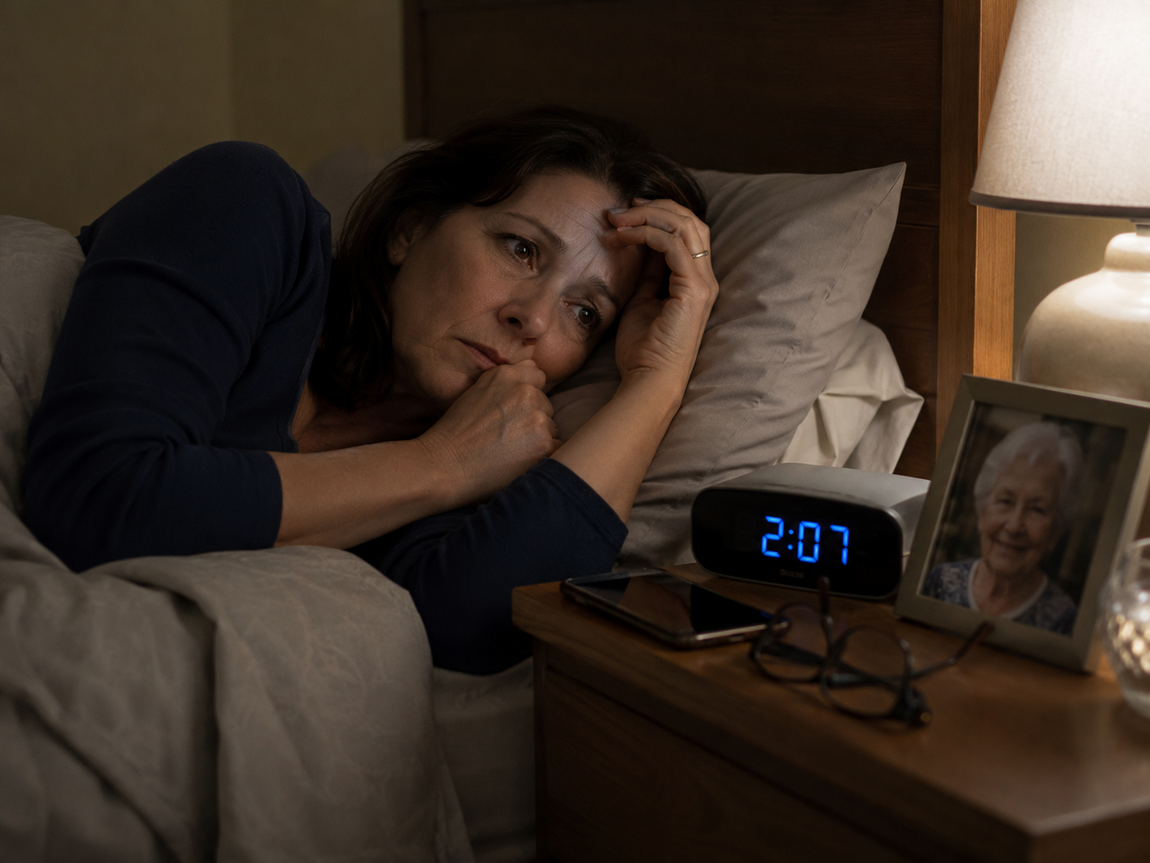
The family member lying awake thinking:
“Is she safe?”
“Has he eaten?”
“What if she goes out and gets confused?”
“How long can we keep doing this?”
And often, that person doesn’t call themselves a carer.
They just say:
“I’m her daughter.”
“I’m his wife.”
“It’s just what you do.”
But it still takes a toll.
The NHS encourages carers to seek support, including talking to other carers who understand what they are going through.
Because caring for someone with dementia can be emotional, exhausting and lonely.
Especially when you’re trying to manage it around work, children, your own home, your own health and the guilt that seems to come with every decision.
If that sounds familiar, you are not failing.
You are probably doing too much on your own.
You Don’t Have To Wait Until Crisis
This is the bit we really want families to hear.
You do not need to wait until things are unbearable before asking for support.
You don’t need to wait until Mum is unsafe at home.
You don’t need to wait until Dad has stopped eating properly.
You don’t need to wait until you’re answering ten phone calls a day and feeling completely drained.
Support can start earlier than that.
It might be help at home with meals, medication prompts, shopping, companionship or getting out and about.
It might be a familiar face popping in regularly so your loved one has someone else they trust.
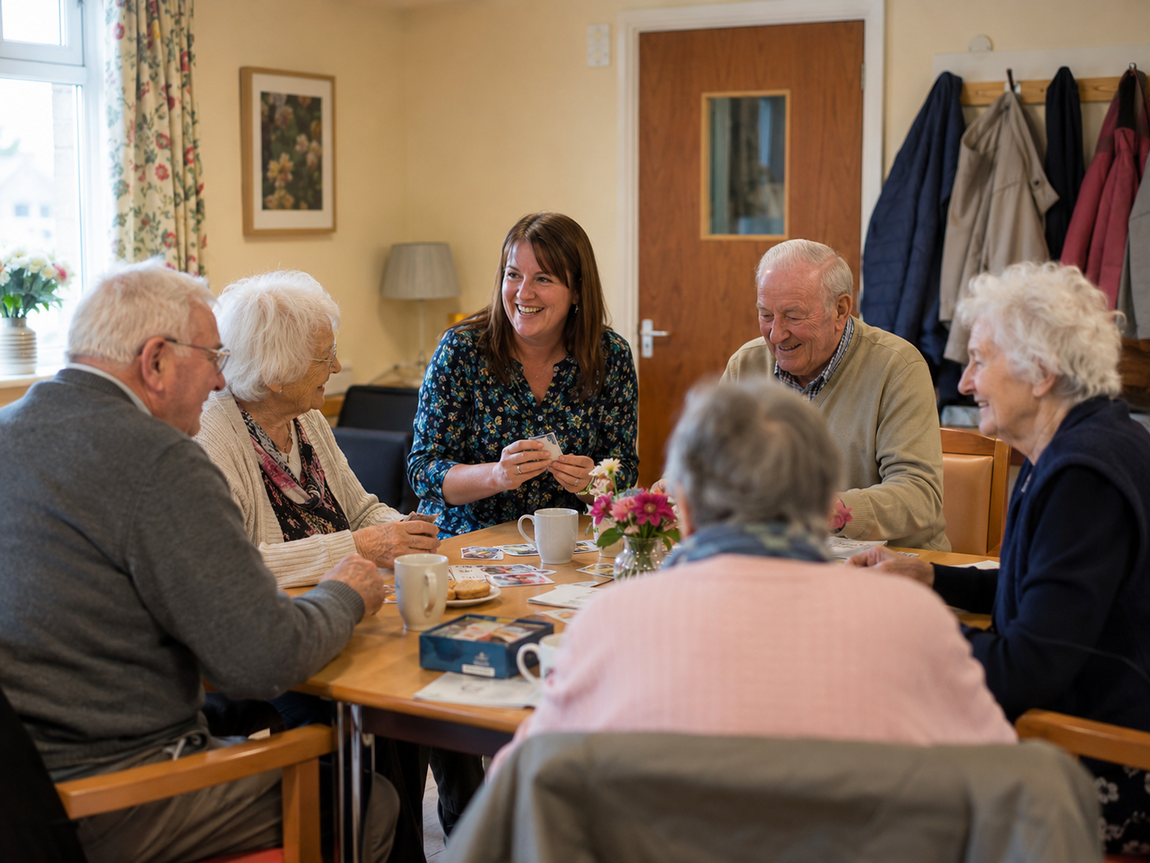
It might be a day at Your Care Dementia Day Club in Hanham, where they can enjoy company, activities, lunch, music, quizzes, conversation and routine in a friendly, welcoming place.
Not a big overwhelming environment.
Not being lost in a crowd.
Not pressure to join in with everything.
Just a place where people are known, included and supported.
What If They Say They Don’t Need Anything?
This is one of the biggest worries families have.
Because lots of people say no at first.
No to help.
No to groups.
No to clubs.
No to “strangers coming in.”
No to anything that sounds like care.
And that can leave families stuck.
You don’t want to force anything.
But you also know things can’t carry on exactly as they are.
Sometimes, the first step isn’t calling it “care”.
Sometimes it’s just:
“Let’s go and have a look.”
“Let’s try one day.”
“Let’s meet them and see what you think.”
“Let’s get a bit of help with the bits that are becoming annoying.”
The words matter.
The pace matters.
The way support is introduced matters.
That’s why familiar, local support can make such a difference.
Dementia Support Should Feel Local, Familiar And Human
At Your Care, we speak to families who are often in that in-between stage.
Things are not okay.
But they are not a full crisis either.
And that stage really matters.
Because the right support at the right time can help someone stay connected, keep a routine and feel less isolated.
It can also help families feel less like everything is sitting on their shoulders.
Our home support can help with everyday routines, companionship and practical support at home.
Our Your Care Dementia Day Club in Hanham gives people living with dementia a welcoming place to spend the day, with familiar faces, meaningful activities, lunch, conversation and plenty of laughter along the way.
We support families across Bristol, South Gloucestershire and BANES.
So if dementia is suddenly appearing everywhere you look, and part of you is thinking, “this feels a bit close to home”, please don’t ignore that feeling.
You don’t need to have all the answers.
You don’t need to know exactly what support is needed.
You can just start with a conversation.
Call Your Care on 0117 947 7422 or get in touch to ask about home support or a taster day at Your Care Dementia Day Club in Hanham.