



posted 23rd September 2026
Mum Is Getting Frail but Doesn't Need a Care Home
Mum still lives alone. She still makes her own decisions. And if you ask her, she will probably tell you she is fine.
But behind the scenes, you've started doing more each week.
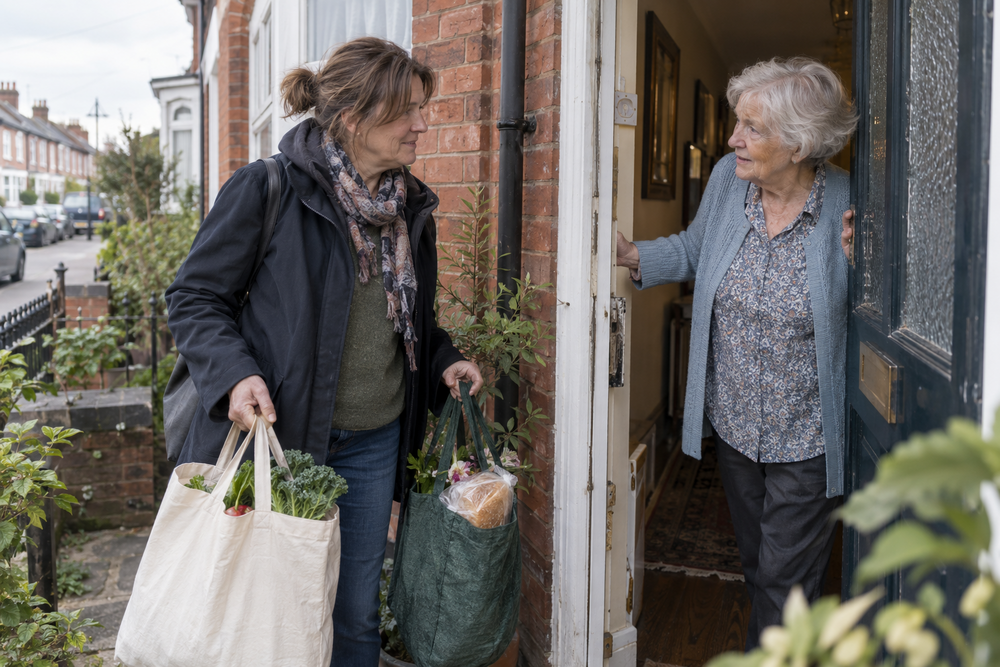
Picking up the shopping. Changing the bedding. Checking whether she's eaten. Going with her to appointments. Calling more often because you are worried she may have fallen or become unwell.
Nobody has said she needs a care home. She may never need one. But everyday life is becoming harder, and you're beginning to wonder whether some practical help at home would make things safer and more manageable for everyone.
This is often how frailty begins to become noticeable. Not through one dramatic crisis, but through a growing pattern of everyday tasks Mum or Dad can no longer manage as easily as before. It is also often the point when families begin searching for frailty support at home in Bristol.
What Frailty Really Means
In healthcare, frailty describes reduced resilience. Someone living with frailty may find it harder to recover from an illness, infection, fall or other change in their health.
Importantly:
- It's not simply another word for old age.
- It doesn't mean someone is incapable.
- It doesn't mean they have lost their independence or ability to make decisions.
Frailty affects people differently and often develops gradually. This is why family members may notice a pattern of changes rather than one clear turning point.
Changes Families May Notice
You might begin to notice that Mum or Dad is:
- Walking more slowly or appearing less steady on their feet
- Losing weight or eating noticeably less than usual
- Feeling tired, weak or drained more often
- Struggling with shopping, laundry or preparing meals
- Finding washing, dressing or using the bathroom more difficult
- Forgetting medication or becoming confused about when to take it
- Staying indoors more because they are worried about falling
- Taking longer to recover after an illness or hospital stay
- Saying they are managing even when there are signs that things are slipping
One change on it's own doesn't automatically mean someone is living with frailty. However, a pattern of changes is worth paying attention to, especially when their safety, confidence or ability to manage at home is being affected.
If balance, confidence or recent falls are becoming a concern, explore our falls prevention resourcesfor practical information families can use at home.
When a Health Check Is Needed First
It's important to distinguish between gradual frailty and a sudden change in health. A sudden drop in mobility, new confusion, severe weakness, loss of appetite or repeated falls should not be dismissed as ageing.
GP or NHS 111:Contact them promptly so an illness, medication problem or another medical cause can be considered.
Call 999: If someone is seriously unwell, has severe difficulty breathing, shows signs of a stroke or has been badly injured in a fall.
Home support can help with everyday life, but it complements rather than replaces medical assessment or clinical treatment.
Frailty can occur with or without dementia. If Mum or Dad is also experiencing gradual changes in memory, communication or everyday decision-making, read more about dementia care at home in Bristol. Sudden confusion is a health change and needs prompt assessment.
Support at Home Doesn't Mean Losing Independence
Families often delay seeking help because they worry Mum or Dad isn't ready for care. They may picture rushed visits, unfamiliar uniforms or somebody taking over tasks they still take pride in doing themselves.
Good home support protects independence. It begins with what your parent can do, what they want to keep doing and where practical help would make the greatest difference.
- For one person, it might mean help with showering and getting dressed safely.
- For another, a one-hour home support visit might include preparing lunch, prompting medication and going for a walk together.
- For someone else, it could mean help with shopping, laundry or getting to an appointment.
The aim isn't to take control away. It's to make everyday life manageable so Mum or Dad can remain comfortable, confident and involved in life at home.

What a Home Support Visit Can Include
Visits can be shaped around Mum or Dad's routine and priorities. Support could include:
- Personal care: Support with washing, dressing and toileting
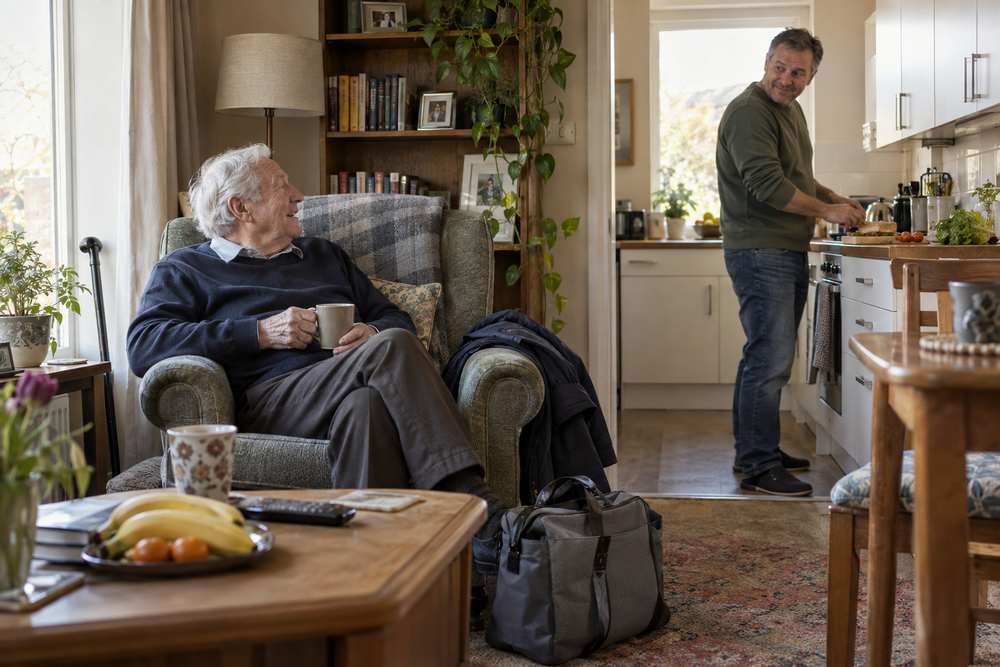
- Meals and drinks: Preparing food and encouraging regular drinks
- Medication: Prompts and reminders
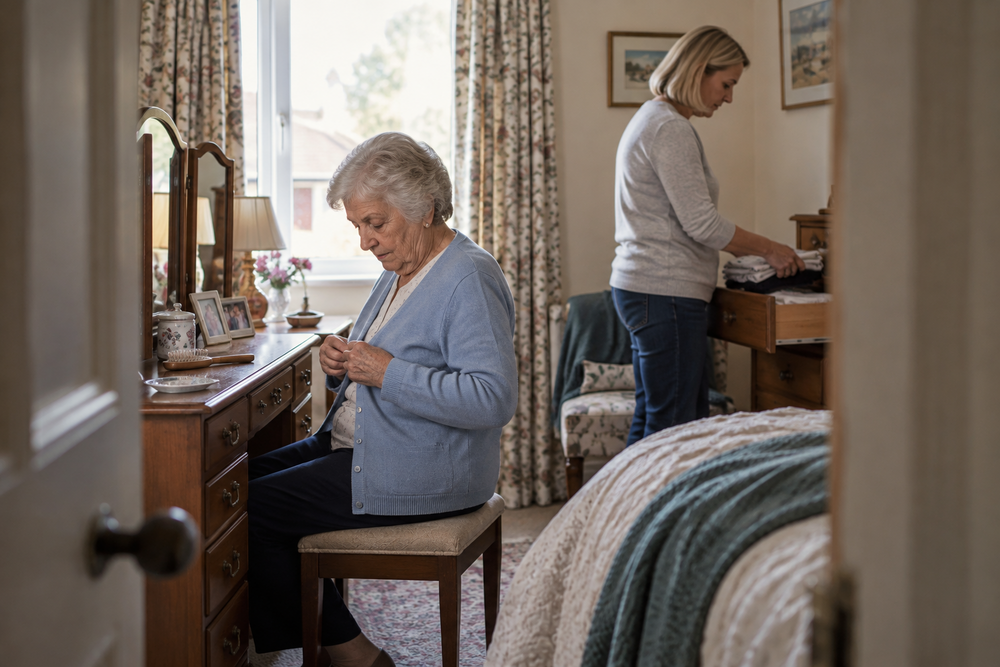
- Household tasks: Shopping, putting food away, changing bedding and light housework
- Companionship: Conversation, shared interests and company
- Outings: Support to go for a walk, visit a cafe or attend an appointment
- Wellbeing visits: Regular support when family members cannot be there
- Post-hospital support: Practical help after a fall, hospital stay or when short-term reablement support ends
Support isn't fixed. Many families begin with one or two visits a week and adjust the arrangement as circumstances change.
How Your Care Supports Families in Bristol
Your Care introduces families to carefully selected, self-employed personal assistants who provide practical, one-to-one home support across Bristol, South Gloucestershire and BANES.
- Carefully matched: We consider your parent's personality, routines and interests before introducing a PA who appears well suited to them.
- One-hour minimum visits: Personal assistants have time to provide practical support without everything feeling hurried.
- Ordinary clothes: Personal assistants do not wear uniforms.
- Consistent faces: Seeing the same familiar person gives Mum or Dad and the family an opportunity to build trust over time.
That consistency can be particularly valuable when someone feels wary about accepting help, has lost confidence after a fall or is returning home from hospital.
How to Start the Conversation
You don't need to wait for a crisis to talk about home support. Introducing help earlier allows Mum or Dad to remain involved in deciding what happens.
Focus on one practical task. This can feel less daunting than beginning the conversation with the word care.
“I have noticed cooking seems to take a lot out of you. Would it help to have someone come in once or twice a week to make lunch and help with a few heavier jobs?”
Keeping the conversation focused on everyday tasks makes the purpose clear: helping Mum or Dad remain independent at home.
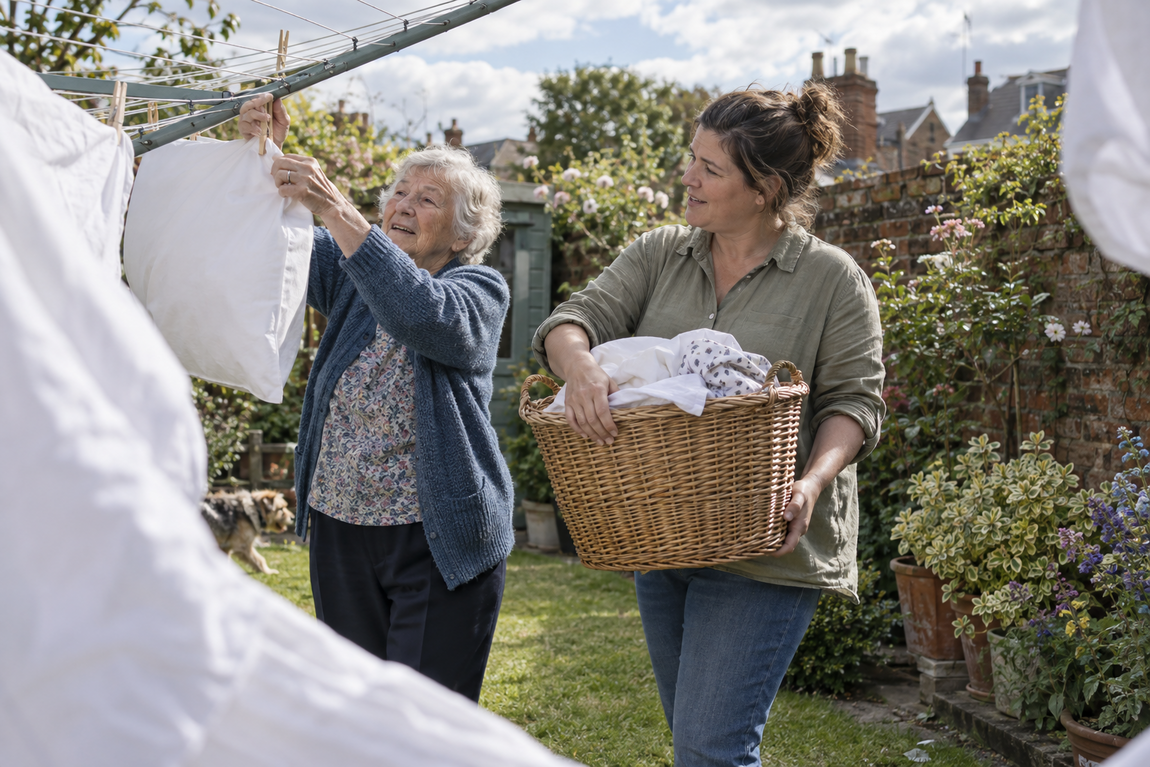
Help Mum or Dad Keep Living Well at Home
If you're already filling the gaps in Mum or Dad's week, it may be time to explore additional support. You don't need to wait for a fall, hospital admission or family crisis.
Your Care can help you consider what practical home support could look like while Mum or Dad remains involved, independent and at home.
Call 0117 947 7422 or contact Your Care to start the conversation. You can also find out more about home support in Bristol.