



posted 5th May 2026
Home Care vs Care Homes in Bristol: Which Is Right for Your Family?
One of the most important decisions families face is how best to support a loved one as their care needs change.
Should they remain at home with support, or would a care home provide the safety and structure they need?
There is no single right answer. Every individual, every family, and every situation is different. The goal is not just to meet care needs, but to protect dignity, independence, and emotional wellbeing while giving your family reassurance.
Across Bristol, South Gloucestershire, and BANES, more families are carefully weighing these options. Increasingly, many are choosing home care as a way to maintain familiarity and independence for as long as possible.
Understanding the full picture can help you make a confident, informed decision.
Option 1: Home Care in Bristol
For many people, home is more than just a place to live. It represents identity, routine, and comfort. Remaining at home can have a powerful impact on both emotional and physical wellbeing.
Home care provides support within that familiar environment, adapting around the individual rather than requiring them to adapt to a new setting.
What Home Care Can Include
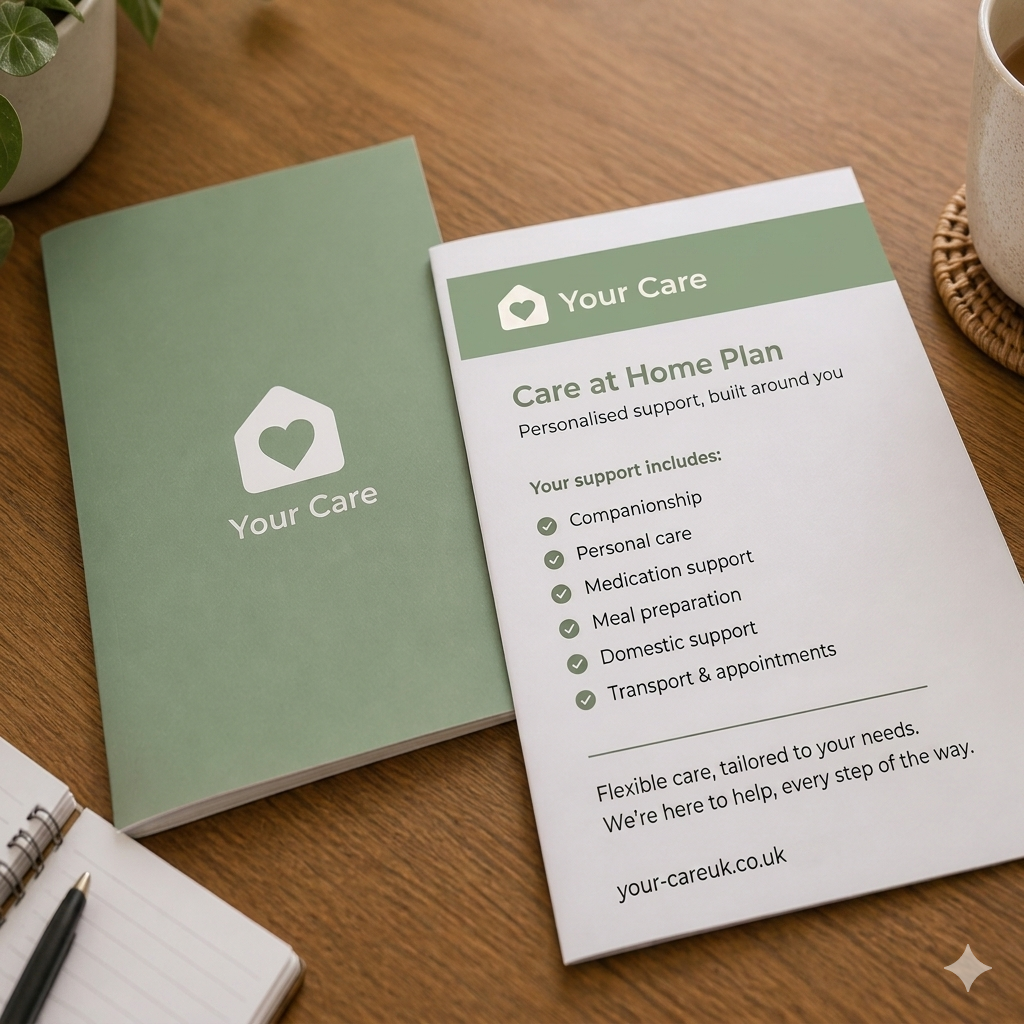
Home care is highly flexible and can be tailored to suit a wide range of needs, including:
- Companionship and social support
- Personal care such as washing, dressing, and mobility assistance
- Medication reminders
- Meal preparation and nutrition support
- Help with household tasks
- Specialist support for conditions such as dementia
Care can start with just a few hours a week and increase gradually as needs evolve.
Benefits of Home Care
Familiar surroundings
Remaining at home can significantly reduce anxiety and confusion, particularly for individuals living with dementia or cognitive decline. Familiar spaces support memory and orientation.
Greater independence and control
Your loved one keeps control over their routine. They choose when to wake up, eat, and spend their day. This autonomy can have a meaningful impact on confidence and self-esteem.
One-to-one personalised support
Care is entirely focused on one individual. This allows for stronger relationships with carers and a deeper understanding of personal preferences and needs.
Stronger community connection
Staying at home makes it easier to maintain relationships with neighbours, attend local activities, and remain part of everyday life in Bristol.
Flexible care as needs change
Support can increase gradually without the need for a sudden life transition. This makes home care a more adaptable long-term solution for many families.
When Home Care Works Best
Home care is often ideal when:
- Your loved one values independence
- Their needs can be safely managed at home
- Family members are involved and nearby
- The home environment is suitable or can be adapted

Option 2: Care Homes in Bristol
Care homes provide residential support with staff available around the clock. For some individuals, particularly those with complex or high-level needs, this level of care can be essential.
What Care Homes Provide
- 24-hour supervision and support
- Structured daily routines
- Meals, accommodation, and personal care
- Access to on-site staff and facilities
- In some cases, specialist nursing or dementia care
When a Care Home May Be the Right Choice
Higher or complex care needs
If your loved one requires constant supervision or has complex medical conditions, a care home may provide the level of support needed to keep them safe.
Safety concerns
Frequent falls, wandering, or significant memory loss may make staying at home more challenging without continuous monitoring.
Limited support network
If family members are unable to provide support and care needs are high, a care home can offer consistent, reliable care.
Considerations to Think About
Emotional impact of moving
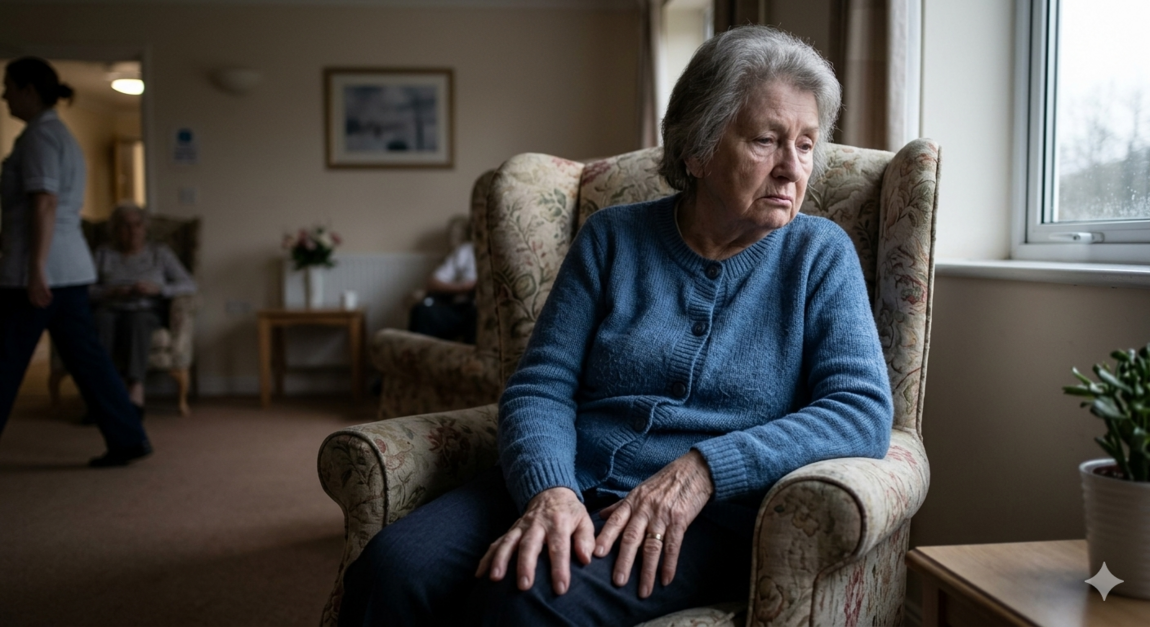
Leaving home can be one of the most difficult parts of the transition. It often involves adjusting to a completely new environment, which can take time and emotional support.
Loss of independence
Daily routines are typically structured around the care home schedule rather than individual preference.
Shared environment
Residents share space, staff attention, and activities. While this can offer social opportunities, it may reduce privacy and personal choice.
Home Care vs Care Homes: A Deeper Comparison
Independence
Home care allows individuals to maintain control over their daily life, routines, and decisions.
Care homes provide safety and structure, but often with less flexibility.
Personalisation
Home care is tailored entirely to one person.
Care homes must balance the needs of multiple residents, which can limit individualisation.
Environment
Home care keeps your loved one in a familiar setting filled with personal memories.
Care homes involve a full transition to a new environment.
Cost Considerations
Home care is typically charged based on hours of support, making it flexible and scalable.
Care homes usually involve fixed weekly fees, which can be higher depending on the level of care required.
The right option often depends on balancing cost with level of need.
Emotional Wellbeing
This is often the deciding factor for many families.
Remaining at home can support a sense of identity, comfort, and stability.
Moving into a care home can provide reassurance for safety, but may require emotional adjustment.
Questions to Help Guide Your Decision
If you are unsure which option is right, consider the following:
- What level of care does your loved one currently need?
- How might their needs change over time?
- How important is staying at home to them?
- Is their home environment safe and suitable?
- What support can family realistically provide?
- Are there risks that require constant supervision?
There is no need to rush this decision. In many cases, starting with home care allows families to assess what works before considering more significant changes.
A Gradual Approach Can Make a Big Difference
One of the most reassuring aspects of home care is that it does not require an immediate, life-changing decision.
Many families begin with small amounts of support, such as a few visits each week. As needs grow, care can increase gradually.
This approach allows your loved one to adjust at their own pace while maintaining a sense of control.
Making the Right Choice for Your Family
Choosing between home care and a care home is not just a practical decision. It is deeply personal.
The right choice is the one that balances safety, independence, and emotional wellbeing while giving your family confidence and peace of mind.
There is no perfect solution, only the one that feels right for your loved one’s unique situation.
Looking for Home Care in Bristol?
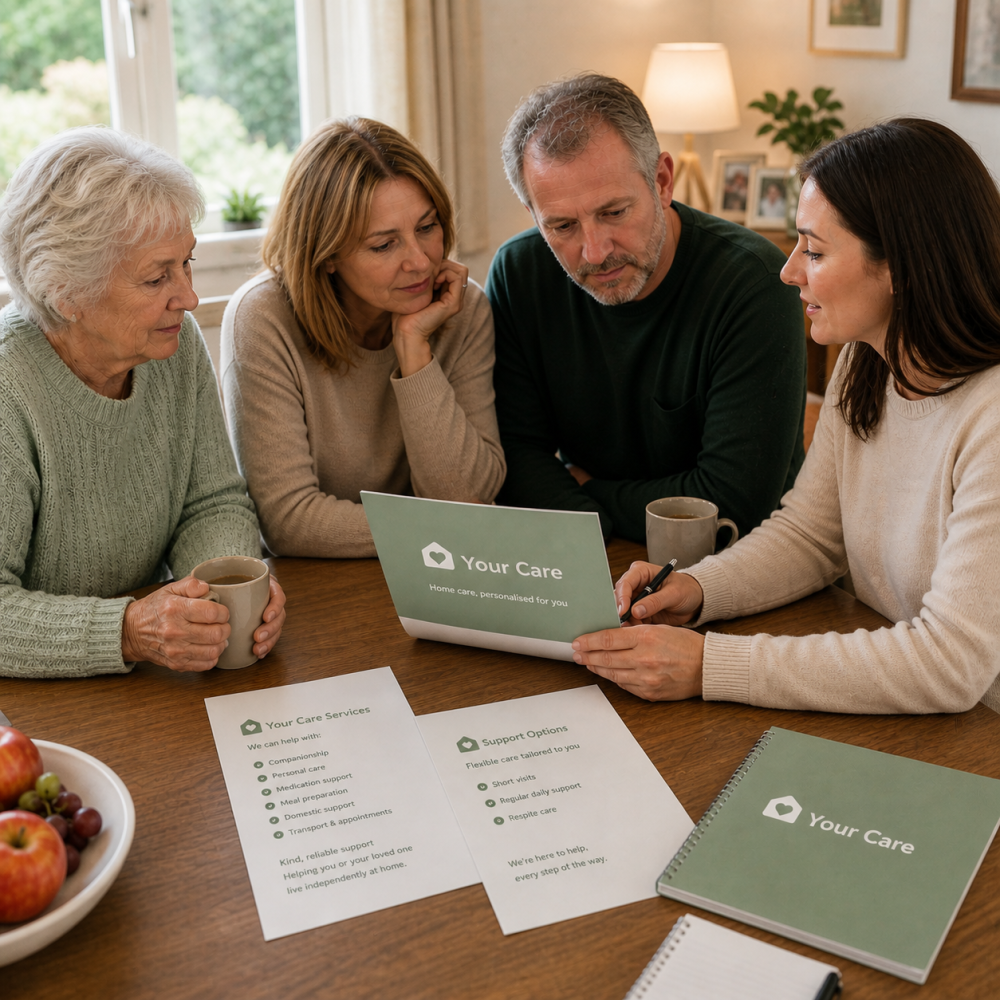
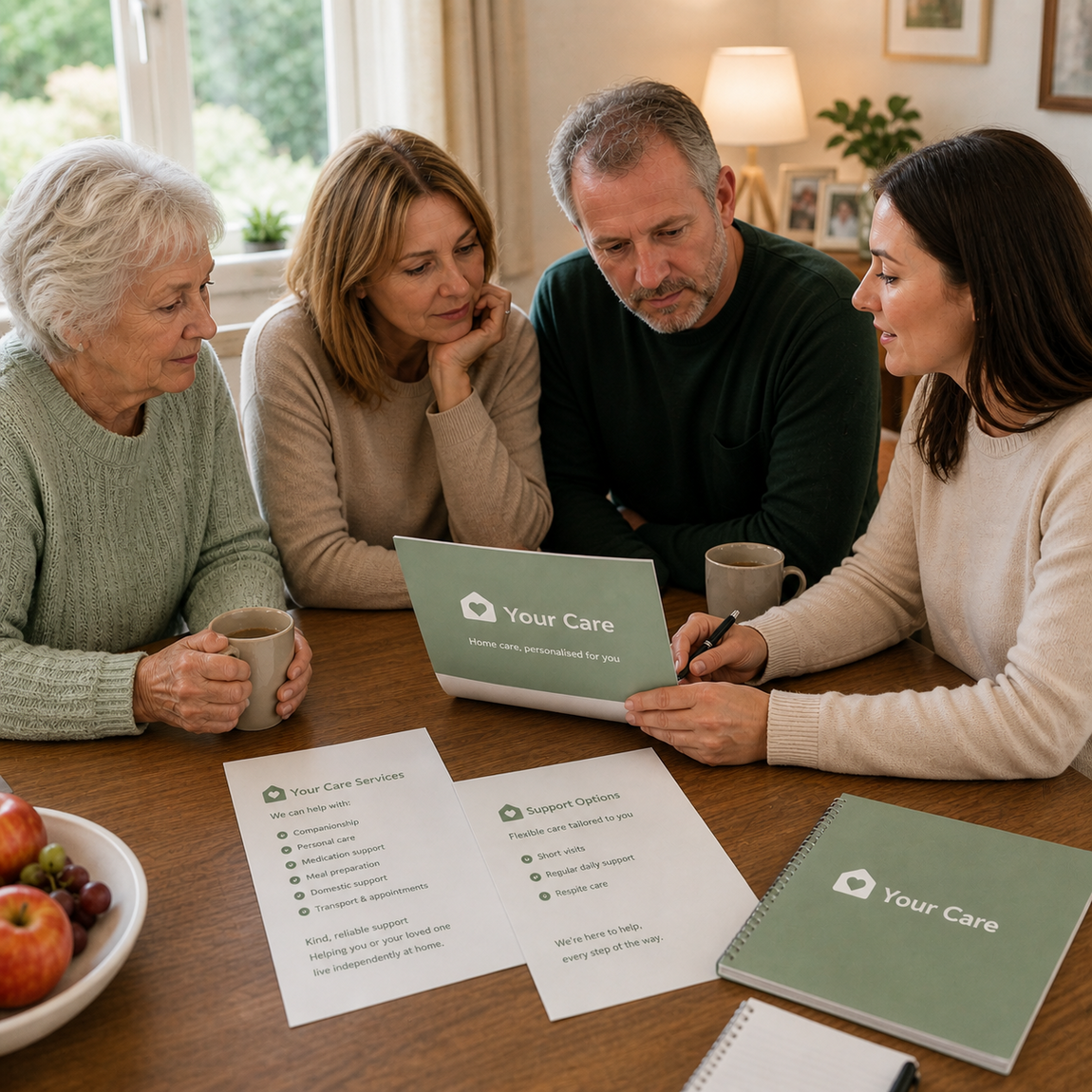
If you are exploring private home care in Bristol, South Gloucestershire, or BANES, the best place to start is with a conversation.
Understanding your options clearly can remove uncertainty and help you move forward with confidence.
Whether you are just beginning to explore care or facing a more urgent decision, speaking to someone experienced can make the process feel far more manageable.
Not sure what to do next?
Book a call with our team and we can talk through what is right for your family.