


posted 21st August 2026
“Mum Is Ready to Come Home.” What Happens After a Hospital Discharge?
The hospital says Mum is ready to come home.
You are relieved, of course. But then the questions start.
Who will collect her? Has her medication changed? Can she still manage the stairs? Is there any food in the house? Who will help her get washed and dressed tomorrow morning?
And when the hospital says support has been arranged, what does that actually include?
For families across Bristol and South Gloucestershire, hospital discharge can move surprisingly quickly. One minute your relative is still on the ward and the next you are trying to prepare their home, understand a new medication list and work out who can stay with them that first evening.
“Medically ready” doesn't always mean fully recovered
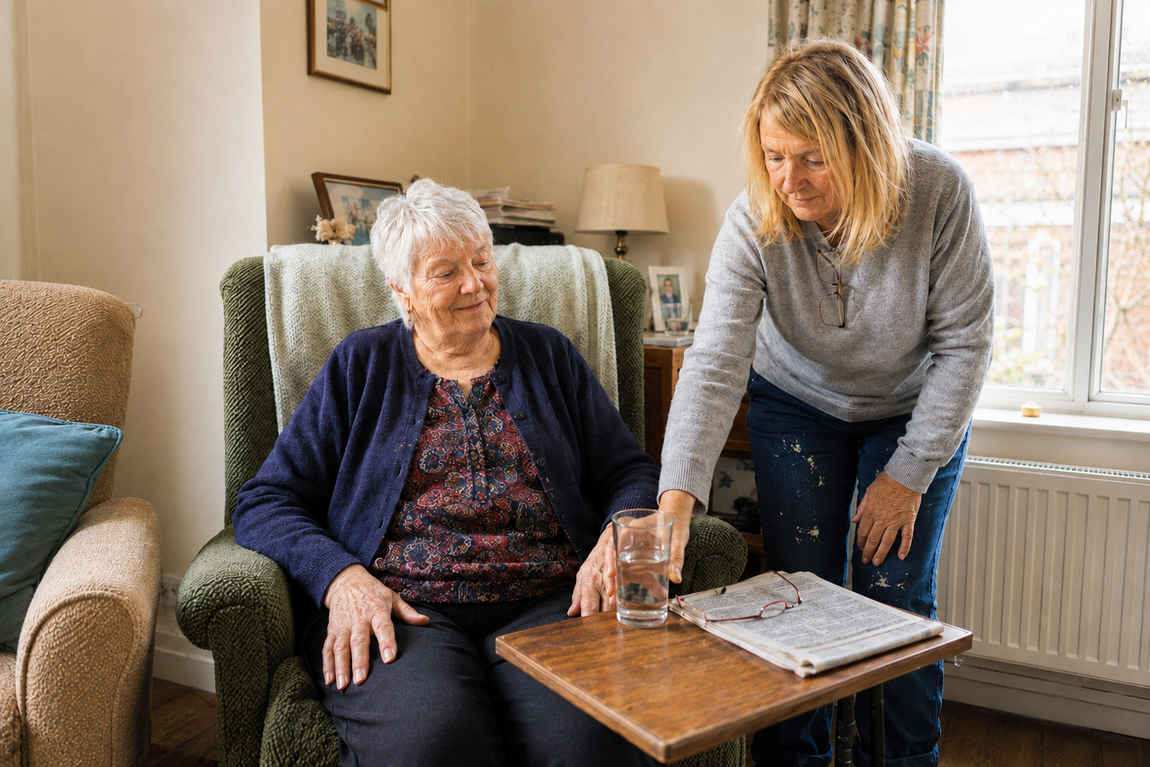
Hospitals across Bristol, North Somerset and South Gloucestershire use an approach called Discharge to Assess, sometimes known as D2A or Home First.
This means that once someone no longer needs treatment that can only be provided in hospital, they may return home while their recovery and longer-term needs are assessed.
But “medically ready to leave” doesn't necessarily mean they are back to normal.
They may still be weaker than before, nervous about walking, confused by changes to their medication or unable to manage everyday tasks without help.
This can be difficult for families to understand, particularly when their relative still seems unwell.
Home can reveal difficulties that were not obvious on the ward
Hospital wards are level, well-lit and supervised. Meals arrive, medication is given and help is nearby.
Home is different.
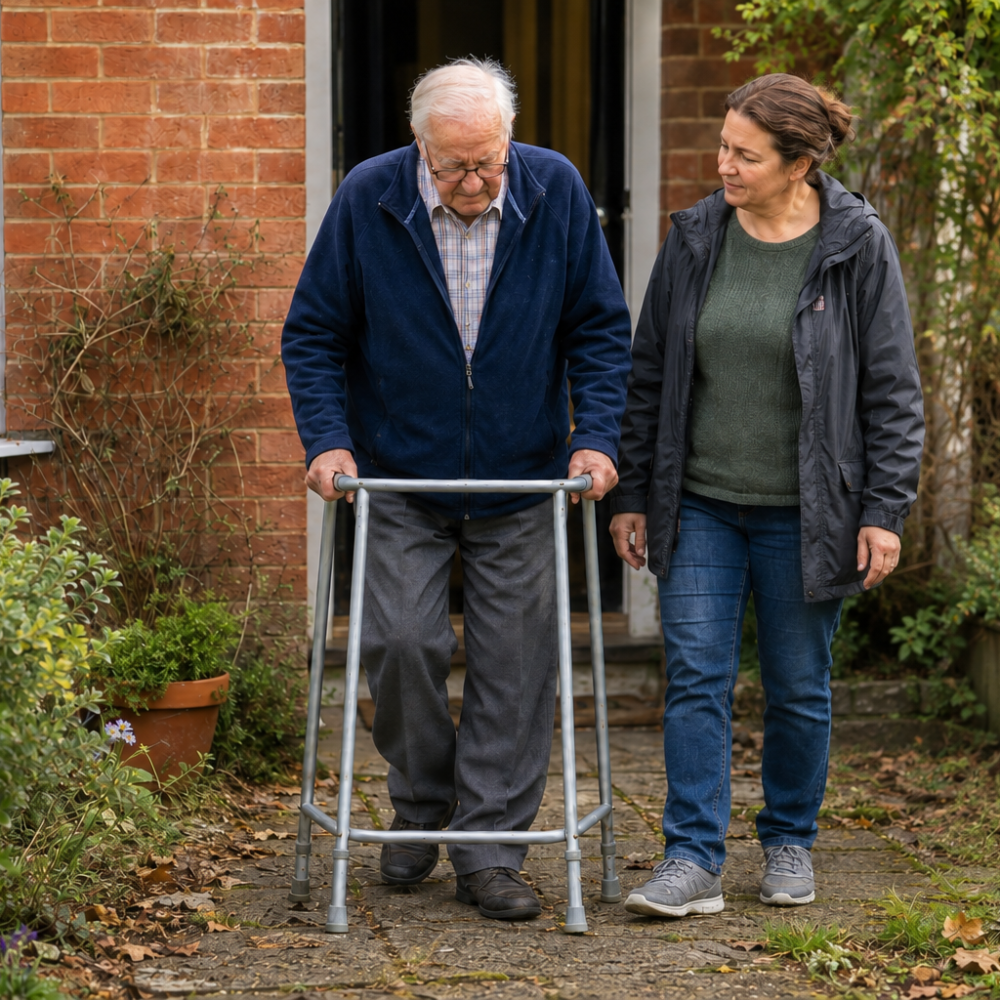
There may be stairs to reach the bathroom, a low armchair that is difficult to get out of or a long walk between the bedroom and kitchen. Even making toast can feel overwhelming when somebody is tired and unsteady.
This is why it is important to tell the hospital team what life was really like before the admission.
Perhaps Dad said he was managing, but you were doing his shopping and preparing most of his meals. Maybe Mum said she took her medication independently, but you had already noticed missed tablets.
Sharing this is not about taking away someone’s independence. It helps everyone plan for a safer return home.
Ask the questions that are worrying you
Before your relative leaves hospital, ask what support has been arranged and when it will begin.
Check whether their medication has changed, whether they will receive a supply to take home and whether any recommended equipment has been delivered.
You should also know who to contact if the plan does not work once they are home.
If something concerns you, be specific. Instead of simply saying, “I don’t think Mum is ready,” explain:
“Mum lives alone, cannot get upstairs to the bathroom and is currently unable to prepare a meal.”
That gives the team a much clearer understanding of the risk you are worried about.
The first evening home often needs the most thought
People can arrive home from hospital feeling exhausted, overwhelmed or more confused than expected.
Before they return, try to:
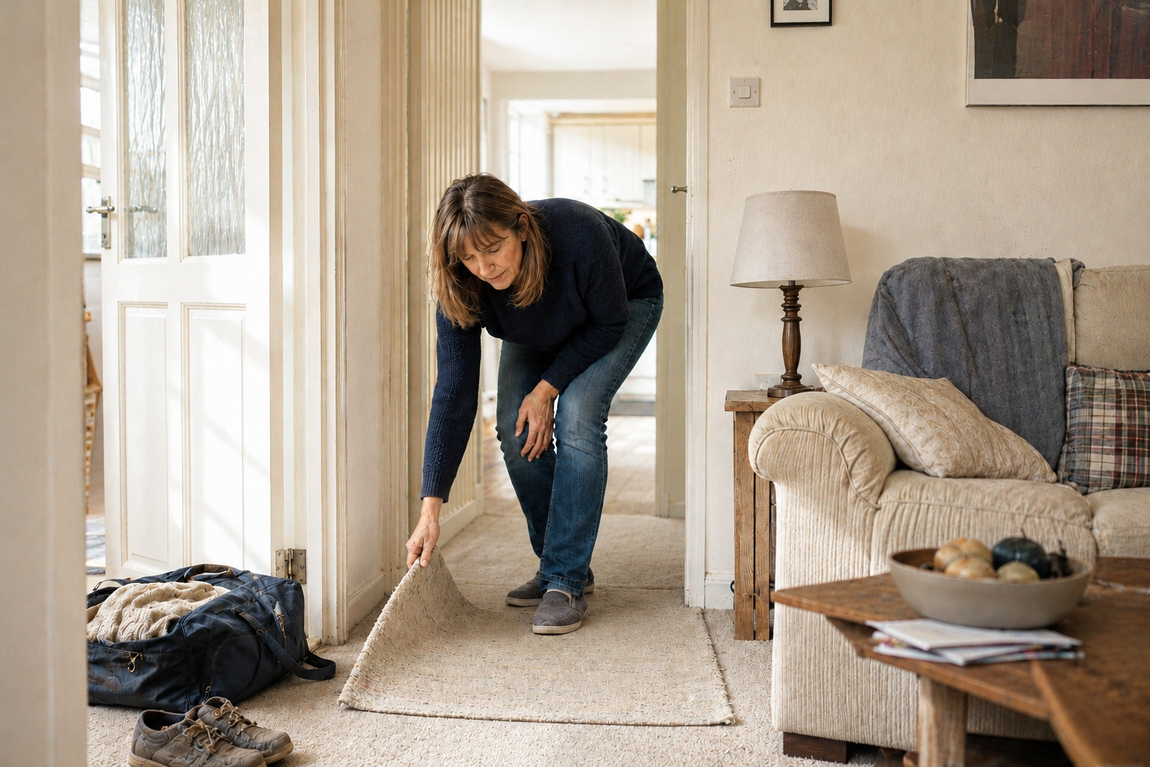
- Put the heating on and check the lighting
- Clear clutter and loose rugs from main walkways
- Prepare something familiar and easy to eat
- Place their phone, charger, glasses and drinks within reach
- Make sure they understand when to take their medication
- Arrange for someone to help them settle in, if possible
It is also worth thinking beyond that first evening.
Who will help tomorrow morning? Can they prepare breakfast? Will they remember their medication? Can they wash and dress safely? What happens when family members need to return to work?
What if reablement has been arranged?
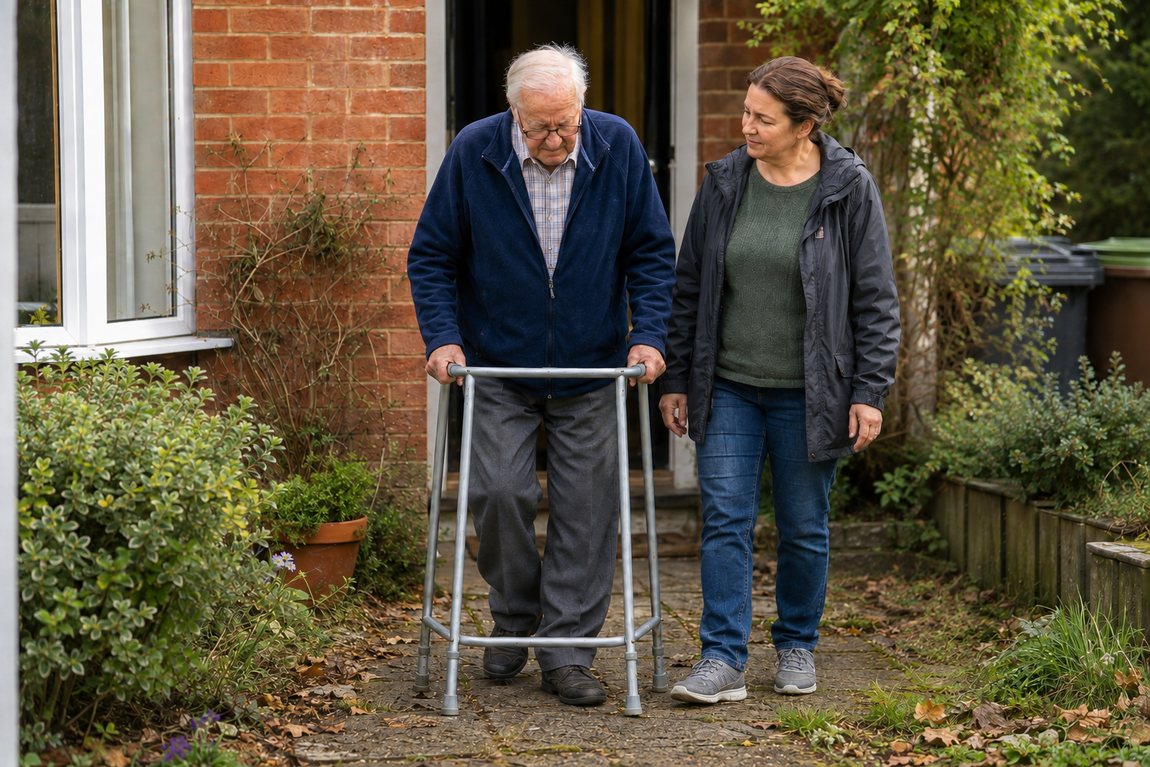
Some people receive short-term support known as reablement after leaving hospital.
Reablement can help somebody rebuild their ability and confidence with everyday activities such as washing, dressing and moving around the home.
Eligible support is usually provided free while it is needed, often for a few weeks and normally for no longer than six weeks.
It can be incredibly valuable, but it is intended to support recovery rather than provide permanent care. Visits may focus on specific tasks or goals, which means families can still find gaps around meals, shopping, companionship and longer daily routines.
When the discharge plan does not cover everyday life
A plan can look complete on paper and still leave a family wondering how daily life will actually work.
Perhaps someone is visiting in the morning, but nobody is helping with an evening meal. Maybe Dad can technically make a sandwich, but he is too tired to do it. Mum might be physically able to wash but feel frightened about getting into the shower alone.
These are often the details that determine whether returning home feels manageable or becomes another crisis.
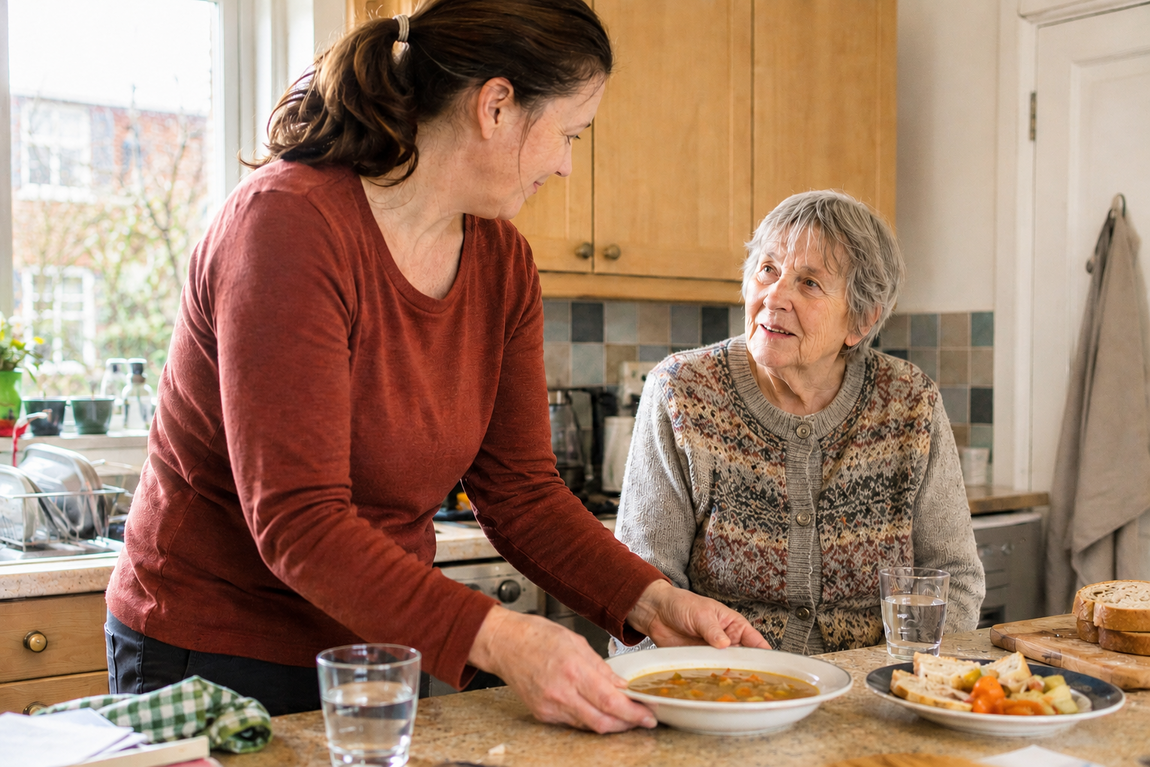
Additional home support can work alongside family, reablement and community health services. It might mean somebody is there to prepare a proper meal, help with personal routines, collect medication or simply provide reassurance from a familiar face.
How Your Care can help after hospital
Your Care introduces families across Bristol, South Gloucestershire and BANES to consistent, self-employed Personal Assistants.
Support can include:
- Washing, dressing and personal routines
- Preparing meals and encouraging drinks
- Medication prompts
- Shopping and prescription collection
- Light household tasks
- Companionship and reassurance
- Attending appointments
- Rebuilding confidence after illness
- Dementia-informed support
Our visits have a one-hour minimum, so support can be shaped around the person rather than rushed through a list of tasks.
You do not need to wait until discharge day to start thinking about help. If your parent, partner or relative is currently in hospital, speaking to us early can help you understand your options and identify possible gaps before they return home.
Thoughtful care from our family to yours.
This blog provides general information and does not replace advice from hospital staff, a GP, social worker or another qualified health professional.