


posted 25th March 2026
Over the past couple of weeks, you may have seen headlines about a meningitis outbreak in the UK.
For many families, especially those already supporting someone vulnerable, news like this can feel worrying and overwhelming.
So let’s break it down clearly.
What’s actually happening?
There has been a cluster of meningitis cases in Kent, mainly affecting students.
It has been linked to close-contact environments such as:
• Shared accommodation
• Social events
• Nightlife settings
A small number of people have sadly died, and others have been seriously unwell.
Because the cases appeared quickly within a short space of time, it has been widely reported in the news.
Is this something to worry about?
This is the most important part.
The risk to the wider UK population remains low.
This is not a nationwide outbreak.
It is a localised cluster, mostly within a specific group of people in close contact with each other.
For families in Bristol, South Gloucestershire and Bath (BANES), the current risk remains low.
There have been no linked outbreaks in the Bristol or surrounding areas.
Meningitis does not spread easily through casual contact. It typically requires:
• Close, prolonged contact
• Sharing drinks or utensils
• Kissing
• Living closely together
What type of meningitis is it?
The cases are mainly linked to Meningitis B, which is:
• The most common type of bacterial meningitis in the UK
• Serious, but treatable if caught early
• Covered by existing vaccines
Health teams have acted quickly with:
• Vaccinations
• Preventative antibiotics
• Contact tracing
Why this still matters
Even though the overall risk is low, meningitis is one of those conditions where:
Early recognition can save a life
Symptoms can develop quickly and become serious in a short space of time.
The signs to look out for
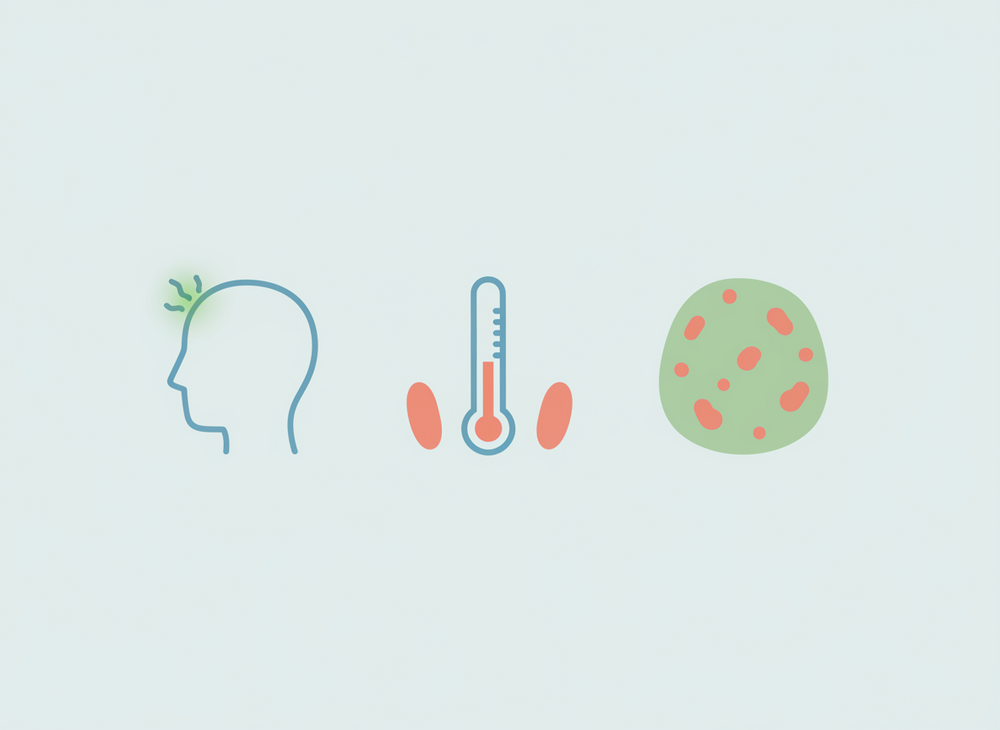
Meningitis can look different in each person, but these are the key symptoms to be aware of:
Early symptoms
• Fever
• Headache
• Feeling generally unwell
• Nausea or vomiting
More serious symptoms
• Neck stiffness
• Sensitivity to light
• Confusion or difficulty concentrating
• Drowsiness or being hard to wake
The rash (important)
Some people develop a rash that does not fade when pressed.
A simple way to check:
Press a glass against the skin.
If the rash does not fade, seek urgent medical help.

What to do if you suspect meningitis
This is where clarity matters.
Do not wait and see if it improves
If you notice symptoms:
• Call NHS 111 for urgent advice
• Or call 999 / go to A&E immediately if symptoms are severe or worsening
Trust your instinct.
If something feels wrong, it’s always better to get it checked.
A reminder for families
When news stories like this appear, it’s natural to feel anxious.
But the key takeaways are:
• The current situation is localised and being closely managed
• The risk in Bristol, South Gloucestershire and BANES remains low
• Awareness of symptoms is the most important protection
How we support families locally
At Your Care, we support families across Bristol, South Gloucestershire and BANES who are navigating changes in a loved one’s health.
Part of what we do is helping people feel more confident in:
• Recognising when something isn’t right
• Knowing when to act
• Having consistent, familiar support at home
Because often, it’s not just about the condition itself.
It’s about having someone alongside you who understands what to look for.
Need a bit of support?
If you’re supporting a loved one at home in Bristol, South Gloucestershire or BANES and would like some guidance, we’re here.
Call us on 0117 947 7422
Or visit: https://www.your-careuk.co.uk/our-services/visiting-care
If you'd prefer, you can request a call back from a member of our team here.