

posted 3rd August 2026
Simple Ways to Support Your Brain Health This Summer
Summer often changes our usual routines.
There are holidays, family days out, children home from school and the occasional rush to enjoy the sunshine before it disappears again. Meals may become more spontaneous, bedtimes get later and looking after ourselves can quickly slip down the list.
But supporting our brain health does not require an expensive supplement, a strict diet or a complete lifestyle overhaul.
Often, it is the ordinary things we do regularly that matter most.
Can lifestyle really affect our risk of dementia?
There is no guaranteed way to prevent dementia. Age, genetics and other factors outside our control can all influence a person’s risk.
However, research suggests that looking after our heart and blood vessels, remaining active, staying socially connected and eating a balanced diet may all help support our brain health as we grow older.
The 2024 Lancet Commission estimated that addressing 14 potentially modifiable risk factors could prevent or delay almost half of dementia cases worldwide. This is a population-level estimate, not a promise about what will happen to an individual, but it shows why everyday brain health de serves our attention.
The important message is not that we must do everything perfectly. It is that manageable changes are still worth making.
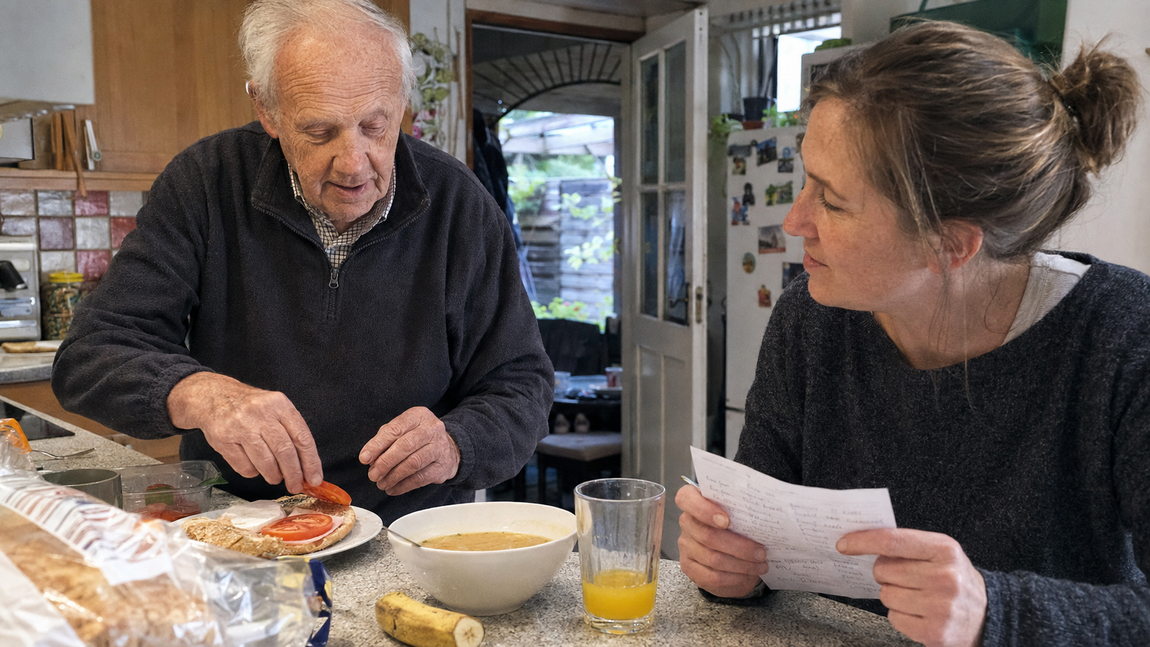
1. Eat well and keep drinking regularly
There is no single food, drink or diet that can prevent dementia.
What appears to matter more is our overall pattern of eating and drinking. A varied, balanced diet can support our heart, blood vessels and wider health - all of which are closely connected to brain health.
Hot weather can also increase the risk of dehydration, particularly for older adults. Someone may not always recognise that they are thirsty or remember to drink without a prompt.
We have created two separate practical guides for families:
Food and mealtimes
Our Food Guide includes advice on changes in appetite, making mealtimes easier, encouraging someone to eat and recognising when additional support may be needed.
Drinks and hydration
Our Drinks Guide includes practical ways to encourage regular drinking, make drinks more appealing and recognise possible signs of dehydration.
Download our Drinks Guide here
A summer barbecue, trip to the seaside or afternoon ice cream can still be enjoyed. Looking after our health is about the overall balance - not feeling guilty about individual foods.
2. Choose movement that feels enjoyable
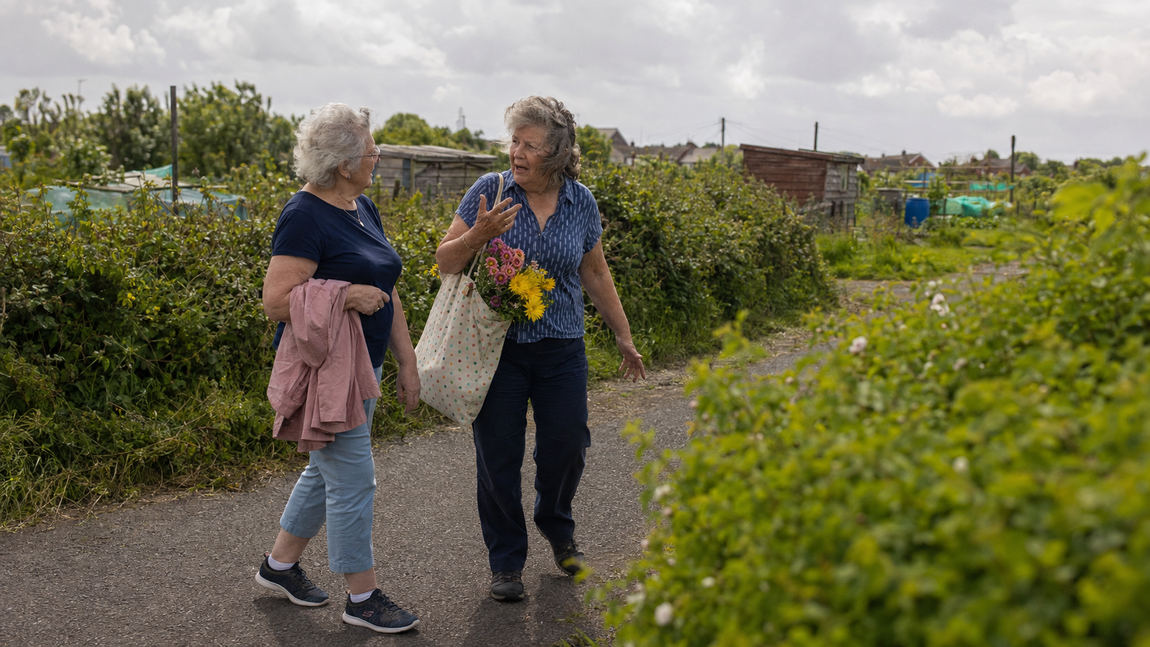
Movement does not have to mean joining a gym or beginning an intense exercise programme.
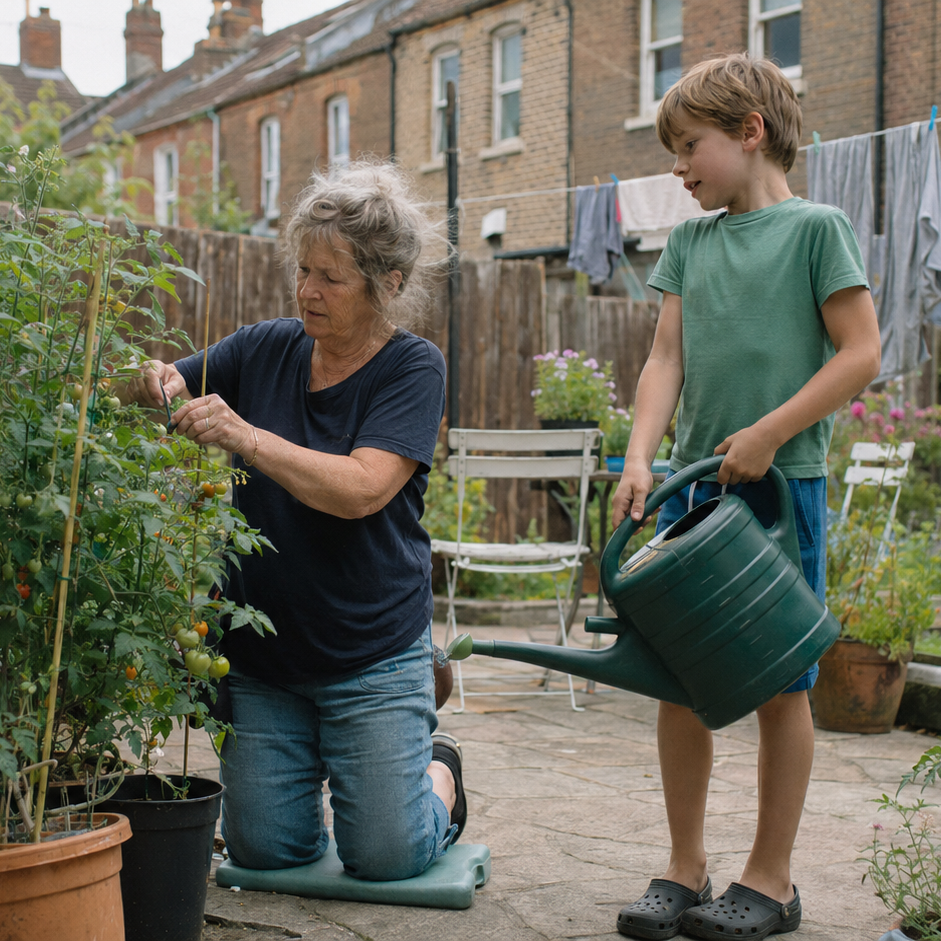
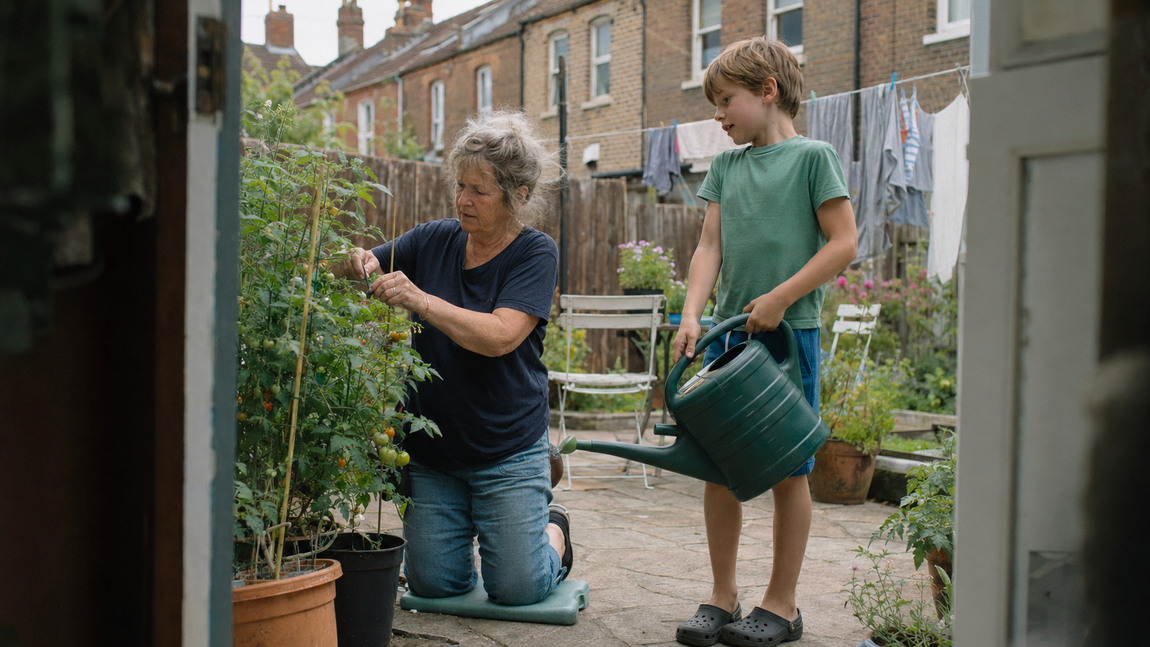
Walking to the local shop, dancing to a favourite song, gardening, swimming or playing outside with the grandchildren all count.
Adults are generally advised to work towards at least 150 minutes of moderate activity each week. However, any amount of movement is better than none, particularly if someone has been inactive or is starting again after an illness.
For an older relative, a realistic starting point might be:
- A short morning walk
- Watering the garden
- Standing and stretching during television adverts
- Dancing together in the living room
- Walking around a garden centre
- Joining an accessible activity or social group
During very hot weather, choose a cooler time of day, stay in the shade and avoid strenuous activity between 11am and 3pm.
The best movement is usually something the person genuinely enjoys and will want to do again.
3. Protect time for other people
Summer can look sociable from the outside, but it can also be an isolating time.
This is particularly true for someone who no longer drives, feels anxious in busy places or has lost confidence going out alone.
Social isolation is one of the factors associated with dementia risk. Connection also matters for our mood, confidence and sense of belonging.
Consider whether an older relative has something regular to look forward to. This might be:
- A weekly lunch
- A telephone call at an agreed time
- A local group or activity
- A visit from someone familiar
- Time with grandchildren
- A day service where they can build relationships
A packed social calendar is not necessary. One meaningful and dependable connection can be far more valuable than several occasional invitations.
4. Give the brain something interesting to do
Keeping the brain active does not need to involve complicated puzzles or hours of studying.
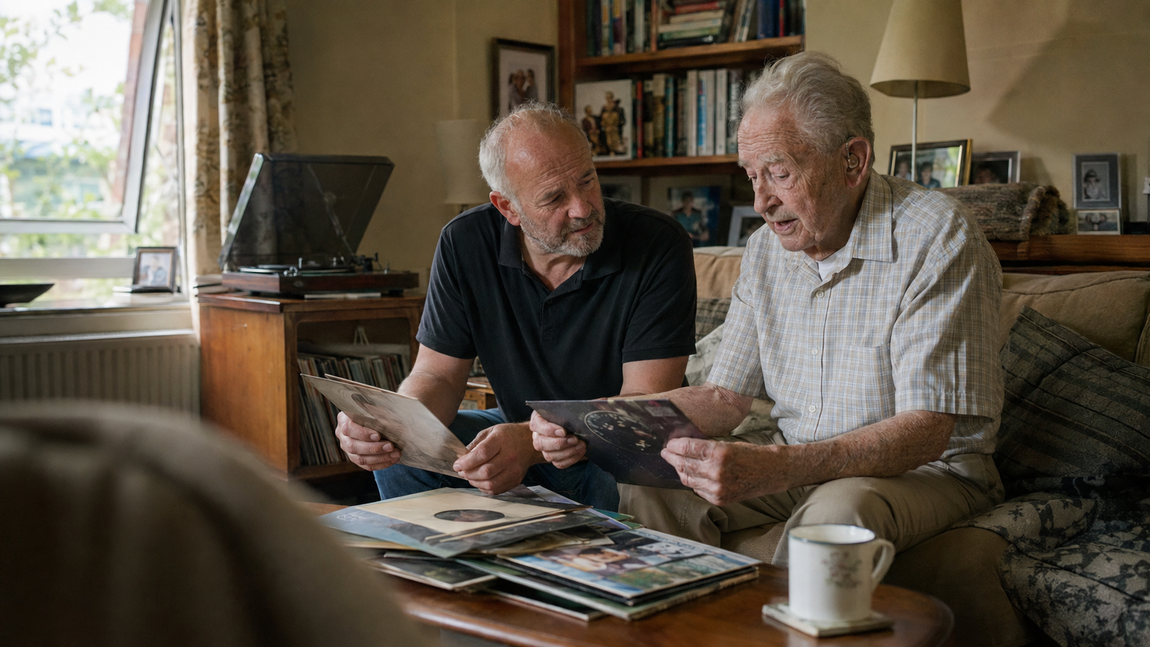
Activities involving enjoyment, interest and learning can all help keep the mind engaged. Summer offers plenty of opportunities:
- Try a new recipe
- Learn the names of plants in the garden
- Visit somewhere unfamiliar
- Play cards or a board game
- Make a summer playlist
- Look through photographs and share the stories behind them
- Take up a craft
- Read about a favourite subject
For someone living with dementia, avoid turning an activity into a test of their memory.
Focus on enjoyment, conversation and taking part - not whether they can remember every name, date or answer.
5. Do not overlook hearing, eyesight and general health
Brain health is not only about food and exercise.
Untreated hearing loss, sight loss, high blood pressure, high cholesterol, diabetes, smoking and excessive alcohol consumption are among the potentially modifiable factors associated with dementia.
Summer can be a useful time to catch up with appointments that are easily postponed:
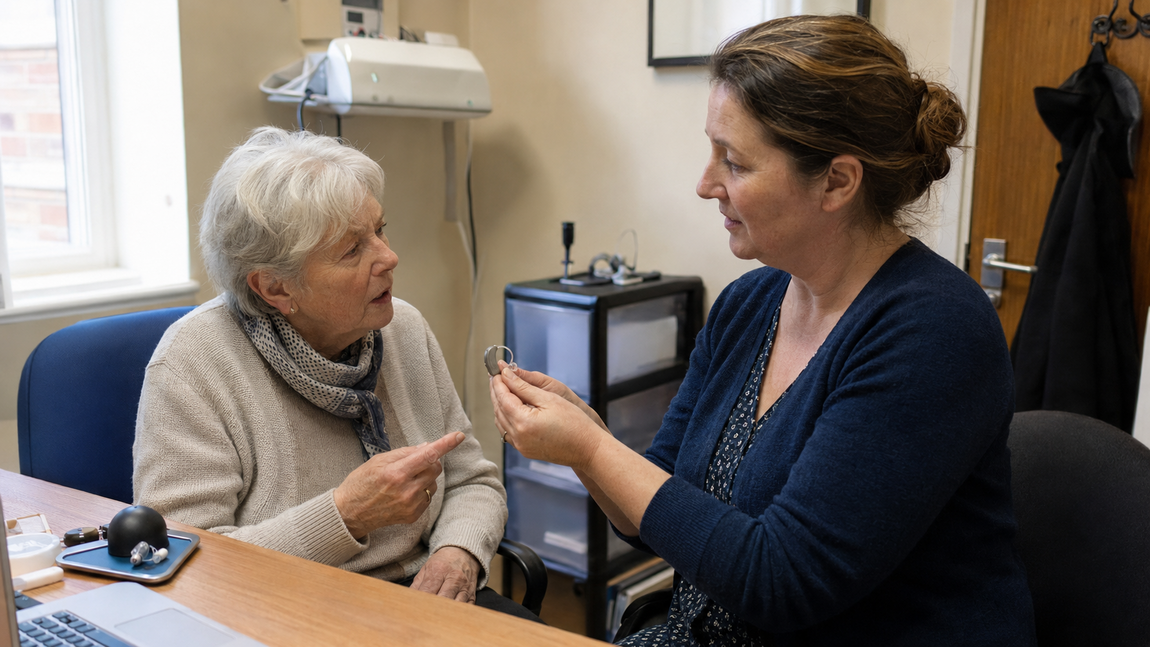
- Arrange a hearing check if conversations are becoming harder to follow
- Book a routine eye examination
- Attend health reviews
- Ask for blood pressure and cholesterol checks where appropriate
- Speak to a GP or pharmacist about stopping smoking
- Seek advice if low mood or anxiety is affecting everyday life
People aged between 40 and 74 who meet the eligibility criteria may also be invited for a free NHS Health Check every five years.
Choose one thing - not everything
Health advice can sometimes feel like another long list of things we should be doing.
It may be more helpful to choose one realistic change for the summer:
- Take a ten-minute walk after lunch
- Arrange a regular visit with an older relative
- Keep a drink visible and within easy reach
- Book the hearing test you have been postponing
- Re-join an activity you used to enjoy
- Download our Food Guide or Drinks Guide for practical support
Looking after our brain health is not about creating a flawless routine.
It is about giving ourselves more opportunities to move, connect, learn, eat well and look after our wider health - with plenty of room left for barbecues, seaside chips and the occasional ice cream.
Would a little more routine and connection help someone you love?
Your Care provides practical home support through consistent, carefully matched Personal Assistants across Bristol, South Gloucestershire and BANES.
Your Care Dementia Day Club in Hanham also offers meaningful activities, familiar faces, companionship and a freshly prepared two-course lunch from Monday to Friday.
If someone you love is spending long days alone, losing confidence or finding it harder to get out, you are welcome to contact us on 01179477422.
Thoughtful care from our family to yours.