




posted 19th May 2026
The First Year After a Dementia Diagnosis: What Families Wish They Knew Earlier
A dementia diagnosis can feel like the ground has shifted beneath your feet.
Even if you suspected it was coming, hearing the words out loud can still feel overwhelming.
For many families, the appointment itself becomes a blur.
Many families leave the appointment with a diagnosis, a leaflet, perhaps a follow-up date, and then suddenly find themselves back at home wondering:
What happens now?
That is often the hardest part.
Because dementia does not only affect the person who has been diagnosed. It affects husbands, wives, daughters, sons, grandchildren, friends, neighbours and unpaid carers who suddenly find themselves trying to understand a condition they may know very little about.
At Your Care, we speak to families across Bristol, South Gloucestershire and BANES who often say the same thing:
“I wish we had known what to do sooner.”
Not because they did not care.
Not because they were not trying.
But because the first year after a dementia diagnosis can feel confusing, emotional and lonely, especially when you are trying to keep life feeling normal for the person you love.
This blog is here to give you a starting point.

After a dementia diagnosis, families need more than a leaflet
After a dementia diagnosis, there should usually be a plan for what happens next.
That plan should look at the person’s health, care needs, emotional wellbeing, family support, future planning and any practical help that may be needed at home.
But in real life, many families still feel unsure.
They may not know who is coordinating things.
They may not know what questions to ask.
They may not know what support is available locally.
They may not even feel ready to use the word “care” yet.
And that is completely understandable.
The first year is not just about organising services. It is about emotionally adjusting to a new reality while still trying to protect the dignity, independence and confidence of the person you love.
Give yourself time to absorb it
Families often feel pressure to “do something” straight away.
And yes, there are practical things that matter.
But emotionally, the first stage is often shock.
Some people feel sadness. Some feel fear. Some feel relief that there is finally an explanation. Some feel guilty because they had been getting frustrated before they understood what was happening.
All of those feelings are normal.
The person diagnosed may also need time. They may feel scared, angry, embarrassed or determined to carry on as normal. Some people want to talk about it. Others avoid it completely.
There is no perfect way to respond.
What matters most is that the person still feels seen as themselves, not just as someone with dementia.
Before rushing into every decision, start with conversations.
- What matters most to them?
- What makes them feel calm?
- What routines do they enjoy?
- Who do they trust?
- What support would feel acceptable?
These conversations can help you make better decisions later, especially while your loved one can still share their wishes and preferences.
Start planning before things become urgent
One of the things many families wish they had done earlier is practical planning.
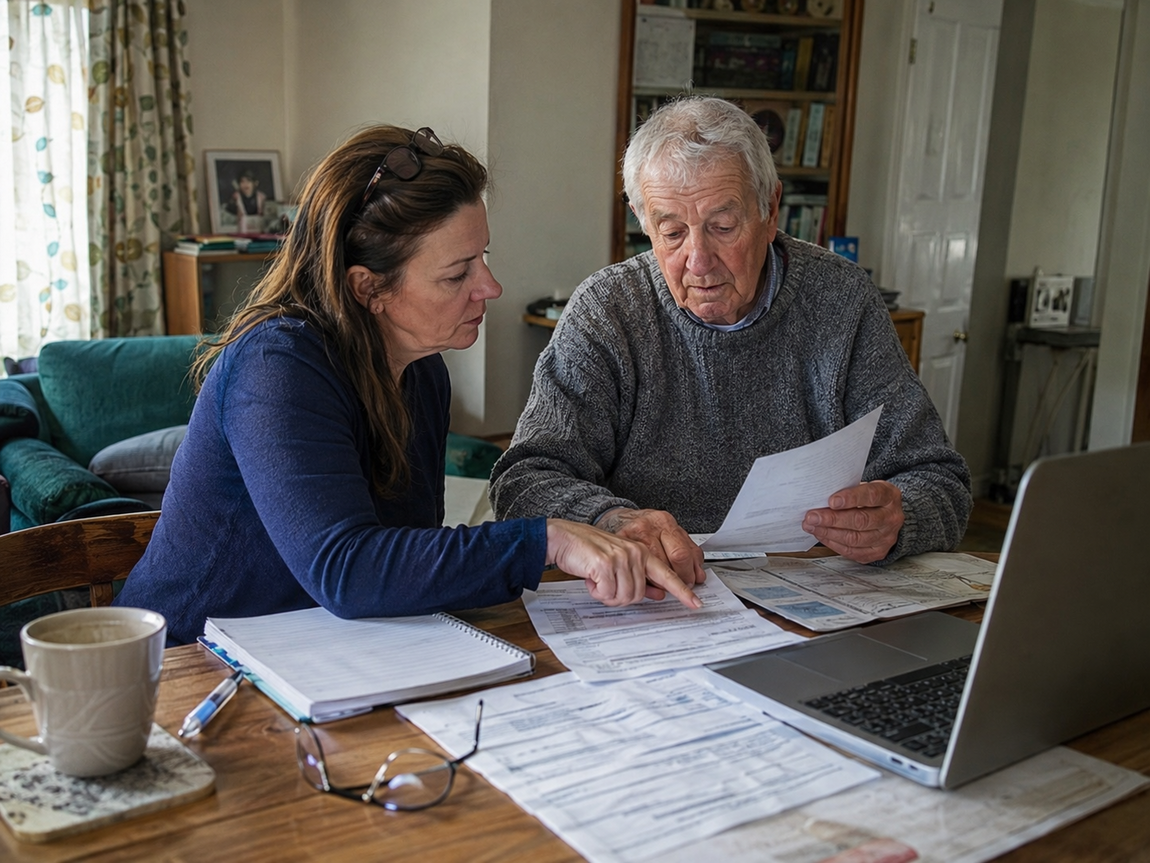
It can feel uncomfortable to talk about legal documents, money, future care or decision-making soon after diagnosis. But putting things in place early can prevent a lot of stress later.
This may include thinking about:
- Lasting Power of Attorney
- Wills
- Advance care planning
- Benefits and entitlements
- Household bills and banking
- Medication and appointment routines
- Who will be involved in future care decisions
These conversations are not about taking control away.
They are about protecting choice.
They allow the person living with dementia to have a voice in their future while they are still able to say what matters to them.
It is also worth exploring support such as Attendance Allowance, Carer’s Allowance, council assessments, carer’s assessments, dementia groups, day support and home care.
Many family carers do not think of themselves as carers.
They say, “I’m just her daughter,” or “I’m just doing what any husband would do.”
But if you are regularly supporting someone with dementia, organising appointments, checking medication, helping with meals, dealing with confusion or carrying the emotional weight of it all, then you are caring.
And you deserve support too.
Routines can make daily life feel calmer
In the first year after a dementia diagnosis, routine can become one of the most helpful forms of support.
A familiar structure can reduce anxiety, build confidence and help the person feel more settled.
This does not mean every day has to feel rigid or clinical. It simply means creating a rhythm that feels predictable.
That might include:
- Getting up at a similar time each day
- Keeping meals consistent
- Taking medication at the same time
- Using a visible calendar or whiteboard
- Keeping important items in familiar places
- Planning regular social contact
- Building in rest after busy days
Small routines can make a big difference.
They also help families notice changes more clearly.
If someone who usually makes breakfast suddenly stops eating in the morning, it may be a sign they need more support.
If they are becoming anxious every evening, there may be a pattern.
If they are forgetting medication, missing meals or avoiding washing, it may be time to review what is happening at home.
The earlier these changes are noticed, the easier they are to support.

Do not wait for crisis before accepting help
One of the hardest parts of dementia care is knowing when to bring in support.
Families often worry that accepting help means they have failed.
It does not.
Accepting help means you are planning ahead.
It means you are protecting your relationship with the person you love, so your time together is not only about reminders, tasks, stress and worry.
Support does not have to mean everything changes overnight.
It can start small:
- A short visit for companionship.
- Help preparing lunch.
- Support with medication prompts.
- Someone to encourage washing and dressing.
- A regular carer who builds trust slowly.
- A day at a dementia day club to provide routine, stimulation and social connection.
For many families, early support works best when it is introduced before things feel desperate.
That way, the person living with dementia has time to get used to new faces, new routines and new places while they can still build trust and familiarity.
How a Dementia Day Club can help in the first year
One thing many families do not realise early on is that dementia support does not always have to mean full home care straight away.
Sometimes, what a person needs most is routine, stimulation, companionship and a safe place to spend time during the day.
This is where a Dementia Day Club can be incredibly valuable.
In the first year after diagnosis, many people are still living well at home, but they may be becoming more isolated, less confident going out, or more reliant on family for structure and reassurance.
They may have stopped attending groups they used to enjoy.
They may be spending more time alone.
They may seem brighter when they have company, but quieter when left to themselves.
A Dementia Day Club can offer something positive to look forward to, while giving family carers regular breathing space.
That might mean time to work, rest, attend appointments, manage household jobs, spend time with children, or simply have a few hours where they are not constantly on alert.
Introducing day support earlier can also make the transition easier.
The person has time to build trust.
The routine becomes familiar.
The family has support in place before things reach crisis point.
Most importantly, the person living with dementia is still being supported to feel involved, valued and connected.

Dementia support in Bristol, South Gloucestershire and BANES
For families looking for dementia support in Bristol, South Gloucestershire or BANES, local help can make a huge difference.
Having support close to home means families are not trying to navigate everything alone.
At Your Care, we support people living with dementia both at home and through our Dementia Day Club in Hanham.
Our focus is on calm, consistent, person-centred support that helps people feel safe, understood and valued.
For some families, home care is the right first step. This might include support with personal care, medication, meals, companionship or daily routines.
For others, our Dementia Day Club offers an introduction to support while also giving family carers regular time to rest, work or manage other responsibilities.
Our Dementia Day Club in Hanham provides structured daytime dementia support in a safe, welcoming environment with a dementia-trained team.
It is designed for people who would benefit from routine, companionship and meaningful engagement during the day, while still continuing to live at home.
Support does not have to be all or nothing.
It might start with one day at the Day Club.
It might start with a short home care visit.
It might simply begin with a conversation about what is happening at home and what support could make life feel calmer.
What families often wish they knew earlier
When we speak to families further along the dementia journey, they often say similar things.
They wish they had accepted help sooner.
They wish they had sorted legal planning earlier.
They wish they had asked more questions after diagnosis.
They wish they had known support was available before crisis point.
They wish they had understood that small changes mattered.
They wish they had known that day support could be introduced small, before things became urgent.
Most of all, they wish someone had calmly explained what the first year could look like.
Not in a frightening way.
Not with too much clinical information.
But calmly, practically and honestly.
Because when families understand what may come next, they can make decisions from a place of preparation rather than panic.
You do not have to figure everything out at once
If someone you love has recently been diagnosed with dementia, please know this:
- You do not have to solve everything today.
- You do not have to have all the answers.
- You do not have to become an expert overnight.
- Start with one step.
- Ask about the care plan.
- Write down your questions.
- Begin legal conversations early.
- Create simple routines.
- Look into local support.
- Talk honestly as a family.
- Notice the small changes.
And when things start to feel too heavy, accept help before you reach breaking point.
Dementia may change family life, but the right support can help people continue to feel safe, connected and cared for at home.
And that matters.
Need a calmer starting point after a dementia diagnosis?
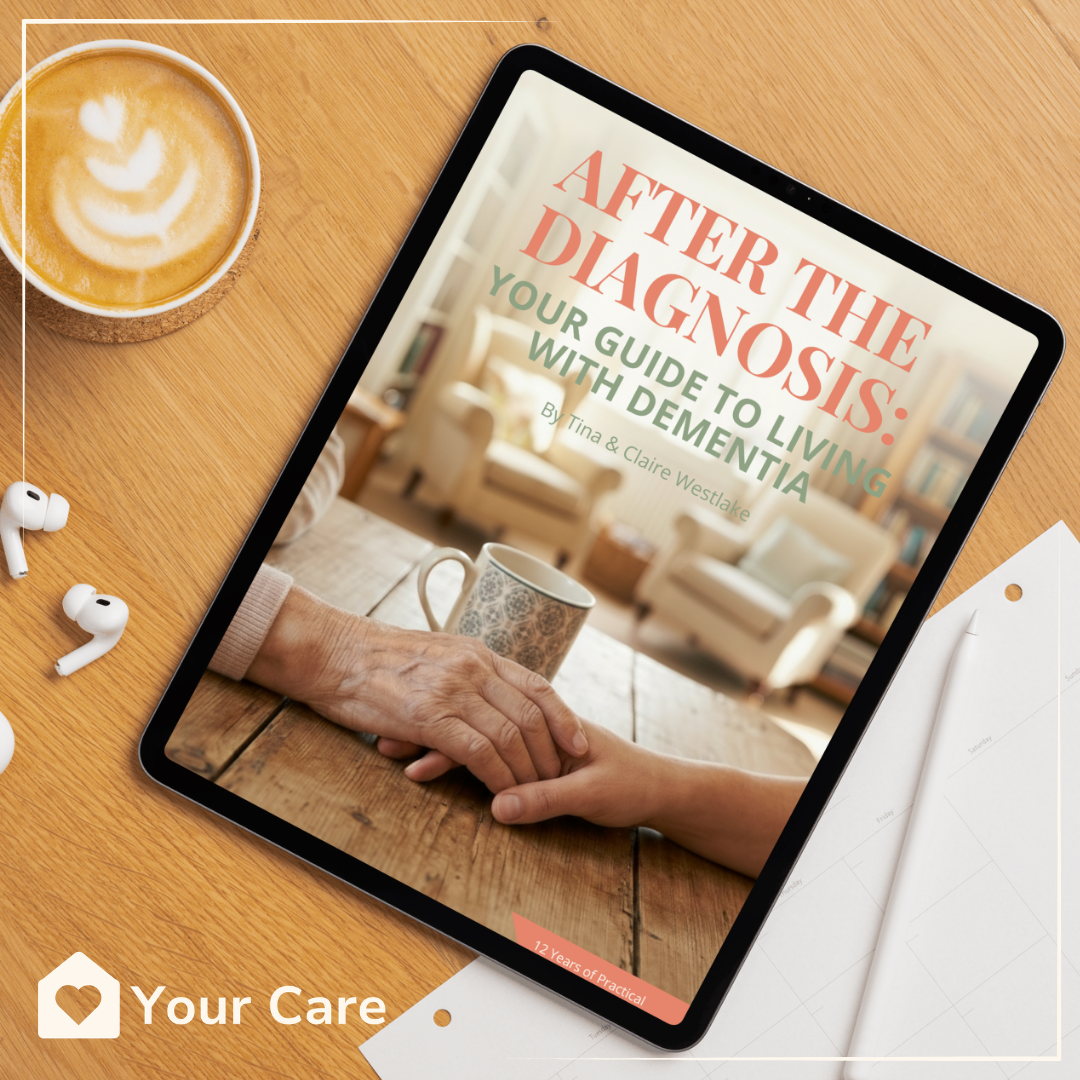
We created After the Diagnosis: Your Guide to Living with Dementia for families who have left the appointment with more questions than answers.
It is a practical guide for the first year after a dementia diagnosis, written to help families understand what to think about, what to plan, and when to ask for support.
And when your family feels ready for extra help, Your Care is here to support you with dementia care at home and through our Dementia Day Club in Hanham.
Whether you need practical support, companionship, respite, routine, or simply someone to talk things through with, you do not have to figure everything out alone.
Call 01179 477422 to speak to our team about dementia support in Bristol, South Gloucestershire and BANES.
Click here to download our eBook now!